Los vigilantes se van a dormir: cómo afecta el cierre del Gobierno a las agencias de empleo
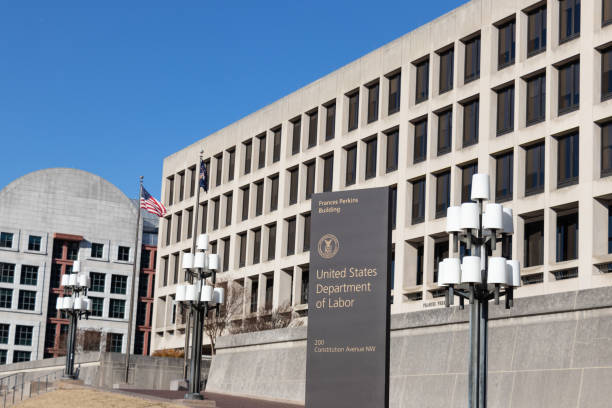
Como se ha difundido ampliamente en los medios de comunicación generales y sociales, el 1 de octubre de 2025, el gobierno federal de los Estados Unidos entró oficialmente en un cierre del año fiscal 2026 debido a que el Congreso no autorizó la continuación de las asignaciones presupuestarias. Incluso en un cierre por falta de financiación, algunas actividades gubernamentales esenciales, especialmente las relacionadas con cuestiones de salud y seguridad, continúan, aunque de forma más limitada. A continuación se ofrece un resumen de cómo el cierre ha afectado a las agencias que inciden más directamente en las cuestiones relacionadas con el empleo.
Departamento de Trabajo (DOL):
División de Salarios y Horas (WHD): Se han suspendido la mayoría de las actividades reguladoras y de cumplimiento, excepto aquellas relacionadas con la salud y la seguridad (por ejemplo, las infracciones relacionadas con el trabajo infantil). Solo 10 de los 1270 empleados que había antes del cierre siguen en activo. Se han suspendido las investigaciones estándar, las auditorías de cumplimiento y la asistencia técnica.
Administración de Seguridad y Salud Ocupacional (OSHA): Las operaciones se limitan a funciones críticas, tales como: inspecciones de situaciones de peligro inminente; investigaciones de accidentes mortales y catástrofes en el lugar de trabajo; medidas coercitivas necesarias para cumplir los plazos legales para las citaciones; e inspecciones de seguimiento de infracciones graves. El órgano jurisdiccional de la OSHA, la Comisión de Revisión de Seguridad y Salud Ocupacional (OSHRC), está cerrado, lo que retrasa las audiencias y los acuerdos.
Certificación de mano de obra extranjera: El sistema Foreign Labor Application Gateway (FLAG) está fuera de línea, lo que ha paralizado las solicitudes de condiciones laborales (LCA) y la tramitación de PERM, necesarias para procesar determinados visados relacionados con el trabajo.
Otras agencias del Departamento de Trabajo: La Oficina de Estadísticas Laborales, la Oficina de Programas de Cumplimiento de Contratos Federales y otras subagencias están completamente cerradas, lo que afecta la recopilación de datos y las revisiones normativas. El DOL seguirá prestando apoyo para el pago de las prestaciones cuya financiación no haya caducado, incluidas la Ley de Prestaciones por Neumoconiosis, la Ley de Indemnización de los Empleados Federales, la Ley del Programa de Indemnización por Enfermedades Profesionales de los Empleados del Sector Energético, la Ley de Indemnización de los Trabajadores Portuarios y Estibadores, la Ley de Indemnización por Riesgos de Guerra y el Programa de Asistencia para el Ajuste Comercial (TAA).
Comisión para la Igualdad de Oportunidades en el Empleo (EEOC):
Aproximadamente 1.686 de los 1.814 empleados han sido suspendidos temporalmente. No habrá nuevas investigaciones, mediaciones ni audiencias, no se tramitarán las solicitudes de la Ley de Libertad de Información (FOIA) y se suspenderán las actividades de divulgación pública y formación. Las funciones limitadas que permanecen activas incluyen la presentación de nuevos cargos cuando los plazos de presentación son inminentes y la continuación de los litigios judiciales cuando no se han concedido aplazamientos.
Junta Nacional de Relaciones Laborales (NLRB):
No se tramitarán nuevas solicitudes de representación, se posponen todas las elecciones sindicales y las audiencias administrativas, y se suspenden todas las gestiones de casos, investigaciones y actividades de divulgación pública. Todos los plazos de presentación quedan suspendidos, lo que significa que se pausan y se reanudarán una vez que finalice el cierre. El sitio web de la NLRB está efectivamente inoperativo.
Tribunales federales:
Los tribunales federales permanecen abiertos y funcionan con normalidad (al menos hasta el 17 de octubre de 2025), ya que pueden utilizar fondos de reserva y tasas judiciales para seguir operativos. El sistema de gestión de casos/expedientes electrónicos (CM/ECF) sigue funcionando, lo que permite la presentación electrónica de documentos y el acceso a los documentos judiciales. No obstante, algunos tribunales y jueces concretos han concedido suspensiones en casos civiles, especialmente en aquellos en los que el Gobierno federal es parte. Se recomienda consultar el sitio web del tribunal de distrito o de apelación correspondiente, así como la página web de cada juez, especialmente después del 17 de octubre.
Si el cierre continúa más allá de esta semana, es posible que incluso algunas de las actividades en curso aquí descritas se reduzcan, por lo que le recomendamos que consulte nuestras próximas ediciones. Si el gobierno reabre cada agencia, proporcionaremos información actualizada sobre cuándo se tratarán los asuntos pospuestos.