Más allá del podio: tecnología y moda en el snowboard
Serie DecathaLAW 2026: Artículo 6
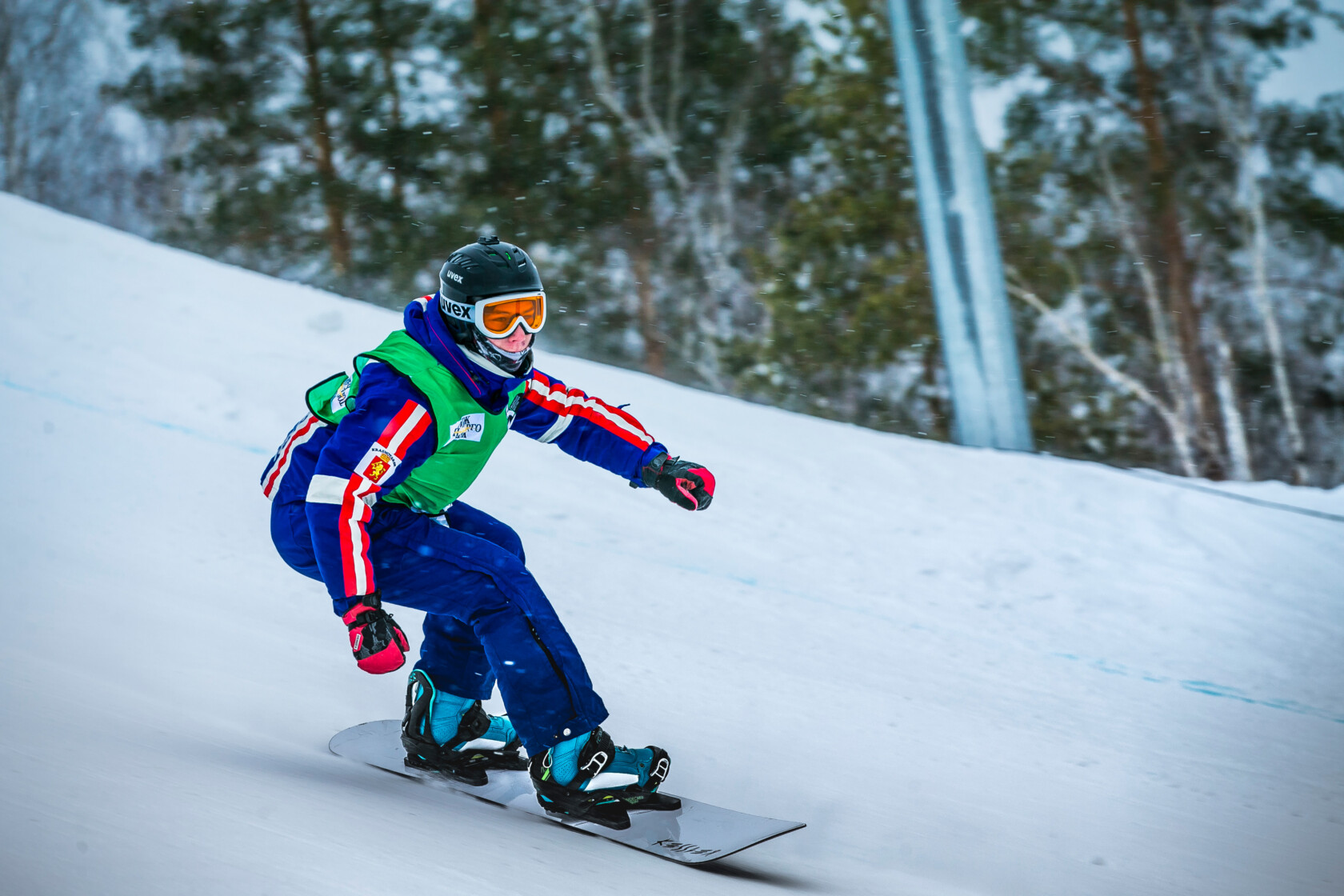
El snowboard debutó en los Juegos Olímpicos de Invierno de Nagano en 1998. En la década de 1990, el estilo del snowboard estaba muy influenciado por la cultura del skateboard y muchos snowboarders llevaban pantalones holgados y chaquetas oversize para proporcionar calor y libertad de movimiento en las pistas. La moda del snowboard evolucionó hacia prendas exteriores más técnicas en la década de 2000. Las marcas recurrieron a la tecnología para diseñar ropa con materiales de alto rendimiento, diseños ergonómicos y características de sostenibilidad.
En los inicios del panorama de las patentes relacionadas con la tecnología del snowboard, los mayores avances en materiales provinieron de los textiles y las espumas de impacto. Patentado por primera vez en 1976 (patente estadounidense n.º 3.953.566), lo que hoy conocemos como Gore-Tex® (desarrollado por W.L Gore & Associates, Inc. en Delaware), el material politetrafluoroetileno (comúnmente conocido como PTFE) permitió que las chaquetas de snowboard fueran impermeables y más transpirables. Además, surgieron materiales de espesamiento por cizallamiento como armaduras delgadas y flexibles para las caderas, los hombros y la columna vertebral. Por ejemplo, la patente estadounidense n.º 8.087.101 describe un sistema de impacto laminado que se mantiene flexible en movimiento, pero se endurece con el impacto y se ha adoptado en las protecciones para deportes de nieve. En conjunto, estas patentes han dado lugar a carcasas más ligeras y una protección de perfil bajo que sigue siendo cómoda para los riders.
Las recientes patentes de prendas de abrigo mejoran aún más el rendimiento al reducir el peso y mejorar la caída sin sacrificar la protección contra las inclemencias del tiempo. Las marcas de chaquetas han optado por películas de ePTFE muy finas y de alta resistencia (patente estadounidense n.º 12.083.482), que permiten fabricar membranas para chaquetas más ligeras y transparentes que conservan su durabilidad. Al mismo tiempo, las marcas también están apostando por la próxima generación de membranas, como el polietileno expandido (ePE), para alcanzar los objetivos de sostenibilidad y rendimiento. El resultado de la mejora de las membranas es una ropa más elegante, que se mueve con mayor naturalidad y mantiene calientes a los esquiadores, al tiempo que se adapta a las realidades del entrenamiento y la competición.
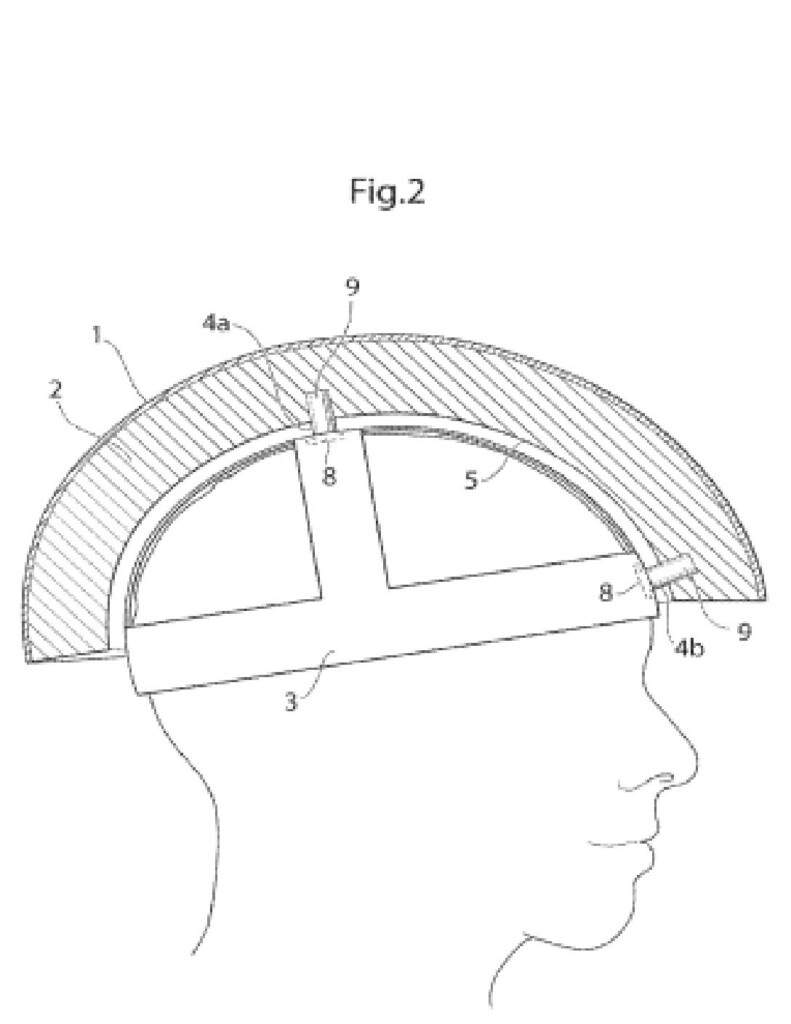
La protección de la cabeza ha sido objeto de una atención igualmente importante. Uno de los aspectos más importantes de la protección de la cabeza es la reducción del movimiento rotacional. Un método muy utilizado consiste en añadir una capa de baja fricción entre el forro del casco y la cabeza para permitir un deslizamiento controlado en caso de impacto oblicuo (patente estadounidense n.º: 10.874.160).
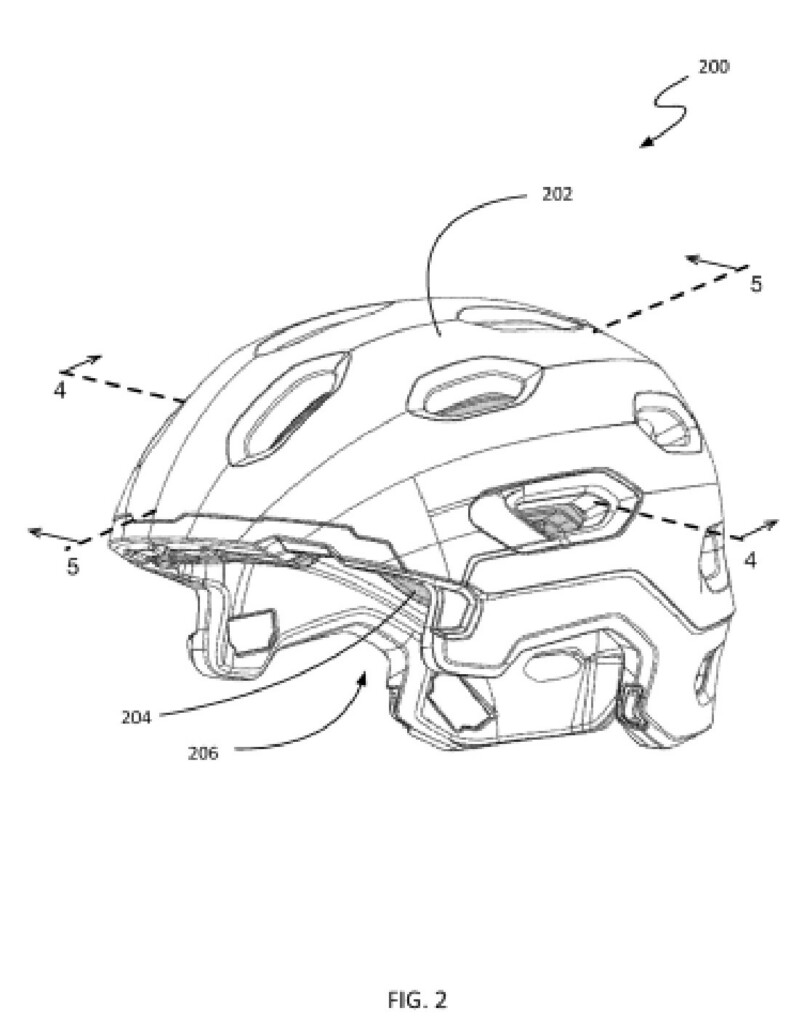
Otros fabricantes de cascos integran limitadores de rotación dentro del revestimiento interior (patente estadounidense n.º: 12.011.056) para reducir la energía rotacional transferida a la cabeza en caso de impacto. En todas estas solicitudes, el objetivo es reducir la aceleración rotacional con un cambio mínimo en la silueta del casco.
En enero de 2026, Kappa y U.S. Ski & Snowboard presentaron un uniforme olímpico y paralímpico unificado para los diez equipos. Esta colección se inspira en la identidad estadounidense con estrellas, parches inspirados en la bandera y una paleta de colores rojo, blanco y azul. Esta colaboración, que lleva el equipo estadounidense de snowboard, incluye chaquetas que se han sometido a un proceso de confección a medida y a pruebas en túnel de viento para satisfacer las necesidades específicas de rendimiento de cada disciplina, al tiempo que se mantiene una imagen unificada del equipo. Kappa, fundada en Turín, Italia, combina ropa deportiva e innovación técnica.
La moda, la funcionalidad, la comodidad y la seguridad son los aspectos más destacados de los Juegos Olímpicos de Milán-Cortina 2026. En algunos casos, se están incorporando nuevos materiales a la ropa y, en otros, los nuevos diseños buscan mejorar la seguridad mediante diseños ergonómicos más adecuados en los equipos de protección. Los diseñadores están utilizando adecuadamente las patentes y las marcas registradas para proteger y comercializar sus diseños y marcas.