Cuando el comercio se convierte en seguridad nacional: lo que la Estrategia de Seguridad Nacional 2025 de la Administración supone para las empresas y los negocios transfronterizos
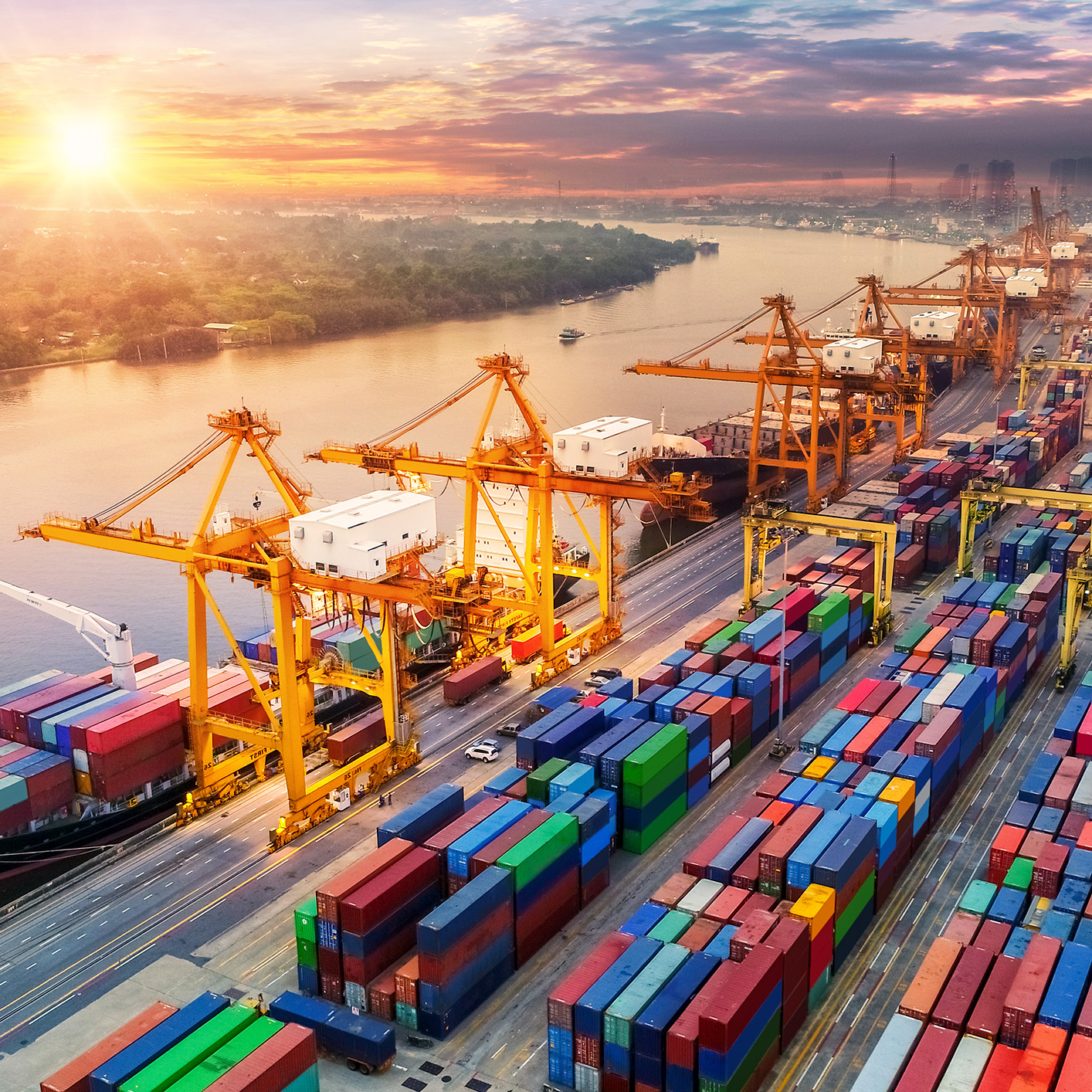
La publicación por parte de la Administración Trump de la Estrategia de Seguridad Nacional 2025 (la «NSS 2025») refuerza lo que ya se ha hecho evidente a través de las tendencias en materia de políticas y aplicación de la ley: el comercio, las cadenas de suministro y la influencia económica ya no son elementos secundarios de la política de seguridad nacional, sino sus herramientas centrales. La Estrategia de Seguridad Nacional más reciente fue publicada por la Administración Biden en 2022.
Al considerar el comercio internacional como un elemento permanente de la estrategia de seguridad nacional, la Administración Trump promueve una redefinición del panorama comercial. Para las empresas multinacionales, este cambio significa que las decisiones de abastecimiento, las estructuras de propiedad y las cadenas de suministro conllevan ahora un mayor riesgo normativo y de cumplimiento que nunca, incluso en mercados y jurisdicciones que tradicionalmente se consideraban de bajo riesgo.
En este contexto, las empresas deben comprender las herramientas específicas que la Administración Trump ha identificado en la NSS 2025, las implicaciones prácticas para las operaciones transfronterizas y las medidas para gestionar el riesgo mientras se posicionan para aprovechar las oportunidades. La NSS 2025 no debe considerarse simplemente desde una perspectiva general, sino como una hoja de ruta estratégica diseñada para ayudar a las empresas a evitar posibles medidas coercitivas.
Este artículo forma parte de una serie de varios artículos que examinan cómo la Estrategia de Seguridad Nacional 2025 de la Administración está remodelando el comercio, la inversión y las cadenas de suministro para las empresas transfronterizas. Cada sección que figura a continuación se centra en una herramienta política específica identificada en la Estrategia y describe quiénes son los más afectados y las medidas prácticas que pueden adoptar las empresas en respuesta a ello.
I. Uso estratégico de los aranceles
III. Barreras anticompetitivas y aplicación de la normativa sobre el comercio por poder
IV. Nearshoring y controles comerciales hemisféricos
V. Infraestructura y evaluación de inversiones
VI. Comercio energético y apalancamiento de las exportaciones
VII. Asociaciones público-privadas para el comercio y el cumplimiento normativo
VIII. El impacto de la Estrategia de Seguridad Nacional de 2025 en 2026
I. Uso estratégico de los aranceles
La NSS 2025 deja claro que los aranceles ya no se consideran medidas comerciales correctivas episódicas o herramientas de negociación a corto plazo, sino instrumentos permanentes de seguridad nacional y política industrial. La NSS 2025 enmarca expresamente los aranceles como herramientas de «diplomacia comercial», vinculándolos gratuitamente a la reindustrialización, la independencia de la cadena de suministro y la relocalización de la capacidad de producción crítica, y haciendo hincapié en que Estados Unidos no debe seguir dependiendo de adversarios o actores externos para obtener insumos esenciales y productos acabados.
¿Quiénes son los más afectados?
- Importadores y fabricantes estadounidenses que adquieren insumos en el extranjero.
- Fabricantes extranjeros que exportan al mercado estadounidense; y
- Empresas con contratos cuyo precio se basa en hipótesis de tarifas bajas.
Implicaciones corporativas y recomendaciones
La NSS 2025 señala que es probable que la exposición a los aranceles persista y se amplíe, incluso fuera de las disputas comerciales tradicionales. Por lo tanto, las empresas deben reevaluar las estrategias de precios y las decisiones de abastecimiento de sus contratos actuales. Además, los contratos de suministro y con los clientes a largo plazo deben estructurarse teniendo en cuenta que es probable que los aranceles sigan siendo un elemento duradero del panorama comercial, en lugar de una medida temporal. Las empresas también deben evaluar su exposición a los aranceles en las cadenas de suministro actuales y previstas, y crear escenarios de abastecimiento «alternativos» que deben reflejarse en sus contratos actuales, tanto ascendentes como descendentes.
Foley asesora regularmente a empresas sobre la exposición a aranceles, la planificación del país de origen y el riesgo de medidas comerciales correctivas, ayudando a los clientes a estructurar el abastecimiento, los precios y los contratos para gestionar la presión sostenida de los aranceles y su aplicación. Para obtener más información sobre los aranceles y los recursos para clientes relacionados con los aranceles de Foley, visite nuestra Tarifas y comercio internacional ..
II. Controles de exportación y comercio de doble uso, defensa y armonización comercial con los aliados
La NSS 2025 hace hincapié en que los controles de exportación se aplicarán cada vez más en coordinación con los aliados. El trato comercial favorable, el intercambio de tecnología y una cooperación económica más amplia están ahora cada vez más vinculados a la alineación con los regímenes de control de las exportaciones de EE. UU. y a la expectativa de que los países socios asuman una mayor responsabilidad en materia de seguridad en sus propias regiones.
De esta manera, los controles a la exportación no solo funcionan como restricciones, sino también como palanca para moldear el comportamiento de los aliados y reforzar la seguridad regional. Mientras tanto, la política comercial e industrial está explícitamente vinculada a la preparación militar y la disuasión, lo que amplía el escrutinio más allá de los artículos de defensa tradicionales a los sectores comerciales relacionados con la defensa.
¿Quiénes son los más afectados?
- Empresas multinacionales que operan en los sectores tecnológico y manufacturero, y empresas industriales con productos o componentes de doble uso y tecnología que se exporta al extranjero.
- Empresas multinacionales que operan en zonas que preocupan a Estados Unidos desde el punto de vista de la seguridad, como América Latina, Asia u Oriente Medio.
- Fabricantes que suministran componentes o software de doble uso, especialmente en los sectores de la informática cuántica, los semiconductores y otras tecnologías avanzadas; y
- Empresas relacionadas con los sectores aeroespacial, automovilístico, energético o de fabricación avanzada.
Implicaciones corporativas y recomendaciones
El cumplimiento de las normas de control de las exportaciones afectará cada vez más al acceso a los mercados y a las relaciones comerciales, y no solo a las tecnologías tradicionalmente controladas. Las empresas deben revisar las clasificaciones de exportación de todas sus líneas de productos, armonizar sus programas de cumplimiento normativo global con las normas estadounidenses y evaluar si sus socios o empresas conjuntas crean una exposición que podría restringir el crecimiento o el acceso al mercado. Las empresas también deben identificar la exposición relacionada con la defensa, revisar las vías de abastecimiento y evaluar si las nuevas oportunidades de adquisición o colaboración internacional justifican una mayor inversión en cumplimiento normativo.
Los equipos de comercio transfronterizo y seguridad nacional de Foley pueden ayudar a las empresas a diseñar y armonizar programas de cumplimiento de los controles de exportación a nivel mundial con el fin de preservar el acceso al mercado y reducir las fricciones normativas entre jurisdicciones. Para obtener más información sobre los controles de exportación, lea la reciente publicación de Foley«Lo que toda multinacional debe saber sobre... los controles de exportación y las sanciones económicas de EE. UU.».
III. Barreras anticompetitivas y aplicación de la normativa sobre el comercio por poder
La Estrategia 2025 señala una postura de aplicación que va más allá de las etiquetas formales del país de origen y se centra en la esencia subyacente de las cadenas de suministro, incluyendo la propiedad, los insumos ascendentes, los acuerdos de financiación y los procesos de producción. Al hacerlo, sienta las bases para una aplicación más agresiva de las normas aduaneras y medidas contra la elusión. Por lo tanto, la deslocalización cercana por sí sola no aislará las operaciones del riesgo de aplicación.
¿Quiénes son los más afectados?
• Empresas que fabrican en México o el sudeste asiático para el mercado estadounidense;
• Empresas con insumos o producción inicial vinculados a China; y
• Importadores que dependen del ensamblaje en terceros países.
Implicaciones corporativas y recomendaciones
La NSS 2025 sienta las bases para una aplicación más agresiva de las medidas contra el fraude aduanero y la elusión. Las empresas deben realizar auditorías de origen y de la cadena de suministro, revisar la calificación del USMCA y prepararse para un aumento de las auditorías aduaneras manteniendo la documentación actualizada y conforme a la normativa.
Foley ayuda a las empresas a evaluar el origen, la estructura de la cadena de suministro y el riesgo de elusión, incluida la preparación para auditorías aduaneras y medidas coercitivas. Para obtener más información sobre los controles de exportación, consulte la reciente publicación de Foley«Lo que toda empresa multinacional debe saber sobre... el uso de la relocalización para hacer frente a la incertidumbre arancelaria».
IV. Nearshoring y controles comerciales hemisféricos
La NSS 2025 identifica la fabricación cercana como un objetivo estratégico vinculado a la seguridad de la cadena de suministro y a cuestiones más amplias de estabilidad regional. Al mismo tiempo, la NSS 2025 señala que las relaciones comerciales y de inversión estarán condicionadas a la limitación de la influencia y la propiedad no hemisféricas, en particular con respecto a los activos, las infraestructuras y las cadenas de suministro de importancia estratégica.
Quiénes son los más afectados:
• Las empresas estadounidenses que invierten o contratan en México o América Latina deben estar más atentas a los intereses de propiedad en su cadena de suministro;
• Las empresas extranjeras que estén considerando la deslocalización cercana para acceder al mercado estadounidense; y
• Las empresas que utilizan capital privado o capital extranjero.
Implicaciones corporativas y recomendaciones
Las empresas deben evaluar las estrategias de nearshoring desde una perspectiva de propiedad y control, revisar las relaciones con proveedores e inversores, e incorporar la diligencia debida en materia de seguridad nacional en la selección de emplazamientos y las decisiones de financiación. La contratación y la inversión de empresas estadounidenses en países extranjeros conlleva ahora un nivel de riesgo mucho mayor para las empresas estadounidenses, que deben someterse a una diligencia debida adicional y a un control de las inversiones en el extranjero.
Foley asesora a empresas estadounidenses y extranjeras sobre estrategias de nearshoring, prohibiciones y requisitos de notificación del Departamento del Tesoro, y estructuras de inversión transfronterizas para garantizar que las operaciones superen el escrutinio de seguridad nacional.
V. Infraestructura y evaluación de inversiones
La NSS 2025 deja claro que Estados Unidos tiene la intención de impedir que competidores no hemisféricos adquieran la propiedad o el control de activos estratégicamente vitales. Las relaciones comerciales, de ayuda y financiación están condicionadas a la reducción de la influencia extranjera adversaria en los sectores estratégicos y de infraestructura, incluidos los puertos, las comunicaciones, la energía y la logística. Estos compromisos sugieren una visión más amplia de lo que constituye un activo estratégico y una mayor disposición a examinar minuciosamente la propiedad, la gobernanza y los acuerdos de financiación vinculados a los proyectos de infraestructura.
La NSS 2025 identifica el dominio de Estados Unidos en los mercados financieros y de capitales como una palanca clave del poder nacional. El acceso al capital estadounidense se plantea como un mecanismo para influir en las decisiones comerciales, de inversión y de alineación.
¿Quiénes son los más afectados?
- Desarrolladores de infraestructuras y empresas de logística;
- Empresas dedicadas a fusiones y adquisiciones transfronterizas.
- Inversores extranjeros que adquieren activos estadounidenses o hemisféricos (instalaciones militares, puertos, infraestructuras clave, etc.); y
- Empresas estadounidenses con inversores extranjeros y empresas extranjeras que acceden a los mercados de capitales estadounidenses.
Implicaciones corporativas y recomendaciones
Las empresas deben prever un aumento de las solicitudes presentadas ante el CFIUS, plazos de revisión más largos y una cobertura más amplia de las transacciones. Las empresas también deben revisar las estructuras de capital en cuanto a su sensibilidad geopolítica y coordinar a los equipos jurídicos y financieros en la planificación de inversiones transfronterizas. La revisión de la seguridad nacional debe incorporarse desde el principio en la planificación y estructuración de las operaciones.
El equipo de CFIUS y seguridad nacional de Foley guía a los clientes a través del proceso de selección de transacciones y la planificación de medidas de mitigación. Para obtener más información de Foley sobre CFIUS, visite la serie de artículos de Foley sobre consideraciones de CFIUS,«Lo que toda empresa multinacional debe saber sobre... Fusiones y adquisiciones internacionales (Parte 1)» y«Lo que toda empresa multinacional debe saber sobre... Fusiones y adquisiciones internacionales (Parte 2)».
VI. Comercio energético y apalancamiento de las exportaciones
La NSS 2025 identifica el dominio energético en los sectores del petróleo, el gas, el carbón y la energía nuclear como una prioridad estratégica fundamental. La expansión de las exportaciones energéticas de EE. UU. se plantea como un medio para profundizar las alianzas y reducir la influencia de los adversarios, mientras que la relocalización de las cadenas de suministro relacionadas con la energía se considera un objetivo de seguridad.
La Estrategia rechaza expresamente los marcos políticos basados en el clima, alegando su potencial para socavar la competitividad industrial y la seguridad energética.
¿Quiénes son los más afectados?
• Productores y exportadores de energía;
• Fabricantes con un alto consumo energético; y
• Proveedores de infraestructura y equipos.
Implicaciones corporativas y recomendaciones
Las empresas deben evaluar las oportunidades de exportación junto con el riesgo geopolítico y revisar las cadenas de suministro energético para detectar vulnerabilidades en el abastecimiento.
Foley asesora a productores de energía y clientes industriales sobre cuestiones comerciales y de inversión derivadas de los cambios en la política energética. Para obtener más información sobre la situación actual en Venezuela en lo que respecta al sector energético, consulte la reciente alerta de Foley«Riesgos legales asociados a las oportunidades de inversión aceleradas en Venezuela».
VII. Asociaciones público-privadas para el comercio y el cumplimiento normativo
La NSS 2025 exige una coordinación más estrecha entre el gobierno y el sector privado para proteger las cadenas de suministro, las infraestructuras y el liderazgo tecnológico. Al hacerlo, refuerza la idea de que el cumplimiento de las normas comerciales, la ciberseguridad y la transparencia de la cadena de suministro ya no son áreas de riesgo independientes, sino componentes cada vez más interconectados de la política de seguridad nacional.
¿Quiénes son los más afectados?
- Empresas que operan en sectores regulados, de infraestructura o intensivos en tecnología.
- Empresas con un volumen significativo de flujos transfronterizos de datos, logística o comunicaciones; y
- Empresas que dependen de cadenas de suministro globales complejas y de múltiples niveles o de proveedores externos.
Implicaciones corporativas y recomendaciones
Las empresas deben prepararse para una mayor intervención gubernamental e integrar el cumplimiento normativo, la ciberseguridad y la gobernanza de la cadena de suministro en marcos de riesgo unificados.
Foley ayuda a las empresas a estructurar e implementar estos marcos de cumplimiento integrados, asesorando sobre la participación del gobierno y gestionando el comercio, la ciberseguridad y los riesgos de la cadena de suministro de manera coordinada.
VIII. El impacto de la Estrategia de Seguridad Nacional de 2025 en 2026
Aunque aún es pronto en 2026, la NSS de 2025 ya está influyendo en la política arancelaria, las iniciativas de seguridad de la cadena de suministro y la coordinación entre aliados de formas que tienen implicaciones materiales para las empresas transfronterizas. Algunos ejemplos son:
- El uso de aranceles para respaldar la estrategia de seguridad nacional: A principios de 2026, Estados Unidos y la India alcanzaron un acuerdo comercial por el que Estados Unidos aceptaba reducir los aranceles de la India al 18 % a cambio de que la India se comprometiera a detener las compras de petróleo ruso y a impulsar las importaciones de energía estadounidense. Este acontecimiento demuestra cómo se está utilizando la política arancelaria como palanca para configurar los resultados geopolíticos y comerciales en consonancia con las prioridades de la Estrategia.[1]
- Iniciativa sobre minerales críticos y cadena de suministro para reducir la dependencia de otros países: En febrero de 2026, la Administración puso en marcha el «Proyecto Vault», una iniciativa de 12 000 millones de dólares para crear una reserva estratégica de tierras raras y minerales críticos con el fin de reducir la dependencia de China y mejorar la resiliencia de la cadena de suministro nacional y de los países aliados en lo que respecta a las tecnologías avanzadas, una medida concreta en línea con el enfoque de la Estrategia sobre el apalancamiento económico y la seguridad de la cadena de suministro. El Banco de Exportación e Importación de Estados Unidos proporcionará 10 000 millones de dólares en forma de préstamo, de los cuales unos 2000 millones procederán de capital privado, lo que también demuestra el objetivo de la Estrategia de aumentar la coordinación entre el Gobierno y el sector privado.[2]
El equipo multidisciplinario de comercio internacional y seguridad nacional de Foley asesora a empresas estadounidenses y multinacionales sobre aranceles, controles de exportación, aduanas y aplicación de medidas contra la elusión, nearshoring y estructuración de inversiones transfronterizas, CFIUS y otras revisiones de seguridad nacional, y gestión de riesgos de la cadena de suministro. Para analizar cómo Foley & Lardner puede ayudar a navegar por las implicaciones comerciales, de inversión y de cumplimiento de la Estrategia de Seguridad Nacional 2025, póngase en contacto con Alejandro Gómez ([email protected]), Olivia Singelmann ([email protected]), Jack Korba ([email protected]) o Ahmad Murrar ([email protected]).
[1] Véase «Trump dice que reducirá los aranceles a la India después de que esta acordara dejar de comprar petróleo ruso», The Associated Press (2 de febrero de 2026), https://www.nbcnews.com/world/asia/trump-says-will-cut-tariffs-india-agreed-stop-buying-russian-oil-rcna257186.
[2]«Presentación del Proyecto Vault, una reserva de minerales críticos para las empresas estadounidenses», La Casa Blanca (2 de febrero de 2026), https://www.whitehouse.gov/videos/introducing-project-vault-a-critical-mineral-stockpile-for-american-businesses-%F0%9F%92%8E%F0%9F%87%BA%F0%9F%87%B8/; véase también Pippa Stevens,«La reserva del Proyecto Vault de Trump incluirá todos los minerales catalogados como "críticos" por el Departamento del Interior», Cnbc (3 de febrero de 2026), https://www.cnbc.com/2026/02/03/trump-stockpile-critical-minerals-reserve-project-vault.html.