Semiconductors Podcast – Data Centers: The Role of AI and Semiconductors in Transforming an Industry
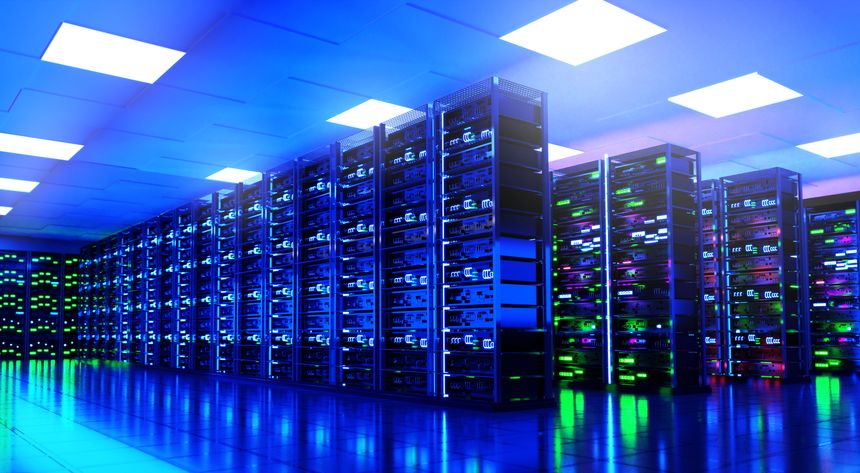
Data Centers: The Role of AI and Semiconductors in Transforming an Industry
Key Takeaways
- AI is driving unprecedented demand for data centers, with global spending projected at USD 1.4 trillion.
- Legal complexity is increasing, spanning real estate, construction, finance, technology transactions, and energy contracts.
- Power availability is the biggest constraint, prompting innovation in renewable integration and storage solutions.
- Rollout of new GPUs, improvements in semiconductors at the edge, and improvements in data center infrastructure technology, will drive further improvements in AI technology.
- Major tech and semiconductor players are investing heavily, signaling confidence in long term growth.
- Data centers are becoming the new utilities, forming the backbone of the AI driven economy.
Introduction
The rise of artificial intelligence has triggered a tectonic shift in the technology landscape, with a transformed data center industry providing the critical infrastructure layer that makes modern AI possible. The industry transformation was sparked by two catalysts: breakthroughs in AI models and algorithms, and advances in semiconductors that make those models economically and technically viable at scale.
From Fiber Networks to AI Hyperscale: A Brief History
Data centers have come a long way since the dotcom era. Initially focused on co-location and basic cloud infrastructure, the industry matured through the rise of hyperscalers like AWS, Microsoft, and Google. For years, growth was steady and predictable, centered on efficiency and sustainability. Then came the release of GPT 3.5 and ChatGPT, a seismic event that redefined computing needs overnight.
Today, the anticipated global spending on new data centers exceeds USD 1.4 trillion, a figure that dwarfs previous investment levels. This surge reflects the insatiable demand for high performance computing, enabled by high performance semiconductors, which requires entirely new configurations, cooling technologies, and power solutions.
Legal Complexities Behind the Curtain
Building and operating a data center is no longer a simple real estate transaction. These projects resemble micro M&A deals, involving a multidisciplinary team of legal experts. Key areas include:
- Site Acquisition and Zoning: Real estate diligence, environmental compliance, and negotiations with local governments for tax incentives.
- Construction and Engineering: Highly specialized build to suit facilities with advanced cooling and security systems.
- Project Finance: Structuring investments and securing lending for billion dollar builds.
- Technology Transactions: Carrier agreements, cross connects, and service level agreements governing uptime, power availability, and security.
- Energy Contracts: Power purchase agreements with utilities and renewable providers, plus strategies for redundancy and sustainability.
The Power Problem: A Race Against Time
Power availability has become a defining constraint in data center development. Traditional grid connections remain common, but operators are increasingly exploring behind the meter solutions pairing facilities with solar farms, wind farms, and battery arrays. While nuclear technology garners attention, it remains years away from practical deployment.
The challenge is urgent: industry leaders anticipate a power cliff by 2027 to 2028, driving accelerated investment today.
AI and the New Compute Economy
AI workloads demand GPU based high density configurations, a stark departure from traditional CPU driven models. This shift has elevated former crypto miners already adept at liquid cooling and high-density clusters into unexpected leaders in the space.
Backed by the major semiconductor companies and other major players with deep pockets, this growth is fundamentally different from growth in the dotcom era.
Looking Ahead: Utilities of the Future
As computing demand skyrockets, data centers are emerging as the new utilities, critical infrastructure underpinning commerce and daily life. For semiconductor companies, this trend promises sustained growth, not only in data center chips but also in edge computing solutions.
Conclusion
The data center boom is more than an industry trend; it is a structural shift in how technology is delivered and consumed. For businesses, investors, and legal professionals, understanding this ecosystem is essential. Those who adapt quickly will help shape the future of AI.
Click to listen to the full podcast episode.
Get more on the rapidly evolving world of data centers. Artificial intelligence is driving explosive growth and a surge in data center development. But big questions remain: What will an AI market correction look like? Can expansion keep pace with demand? And how will we secure the energy to power it?
The Foley 2026 Data Center Development Report launches in January. Sign up now to get it delivered to your inbox.