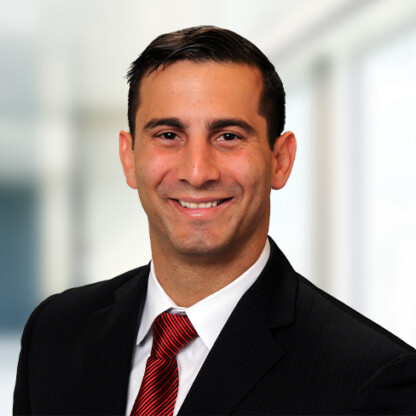
Lacktman, Ferrante Featured in mHealthIntelligence about Telestroke Services
February 14, 2018
mHealthIntelligence
Partner Nate Lacktman and Senior Counsel Thomas Ferrante were quoted in an mHealthIntelligence article, “FDA OKs mHealth App That Uses AI to Spot Strokes, Alert Specialists,” about what the Bipartisan Budget Act of 2018’s elimination of originating-site restrictions for telestroke services will mean for health care systems and institutions with established stroke programs.
The FDA recently approved an mHealth application, Viz.AI, which uses artificial intelligence software to analyze CT scans for signs of a stroke, then sends a message to a neurologist. It contains specially-designed mobile units that can start treatment when transmitted to the patient’s location, and telestroke platforms that allow health care providers to reach neurologists who are based anywhere.
In conjunction with this news, mHealthIntelligence featured Lacktman and Ferrante’s comments from the telestroke section of their recent Health Care Law Today blog post, which analyzes the new federal funding bill: “Allowing more qualified originating sites, such as the patient’s home, ambulances and mobile stroke units, will provide broader options for health care systems that do not have constant access to a neurologist and allow institutions with established stroke programs opportunities for destination medicine and new patients.”
The FDA recently approved an mHealth application, Viz.AI, which uses artificial intelligence software to analyze CT scans for signs of a stroke, then sends a message to a neurologist. It contains specially-designed mobile units that can start treatment when transmitted to the patient’s location, and telestroke platforms that allow health care providers to reach neurologists who are based anywhere.
In conjunction with this news, mHealthIntelligence featured Lacktman and Ferrante’s comments from the telestroke section of their recent Health Care Law Today blog post, which analyzes the new federal funding bill: “Allowing more qualified originating sites, such as the patient’s home, ambulances and mobile stroke units, will provide broader options for health care systems that do not have constant access to a neurologist and allow institutions with established stroke programs opportunities for destination medicine and new patients.”
Related News
December 12, 2025
In the News
Foley Chairman and CEO Daljit Doogal Talks Firm Strategy and Growth, Featured in Media for Reelection
Foley & Lardner LLP Chairman and CEO Daljit Doogal is featured in The American Lawyer article, “Foley Board Taps Daljit Doogal for Second Term as Chair and CEO,” for his reelection to a second four-year term.
December 11, 2025
In the News
Carrie Hoffman Comments on SCOTUS Arbitration Jurisdiction Case
Foley & Lardner LLP partner Carrie Hoffman commented on the U.S. Supreme Court's decision to hear an arbitration jurisdiction case in the Law360 article, "High Court Arb. Jurisdiction Case May Impact W&H Cases."
December 10, 2025
In the News
Charles Gass Quoted on Health Care Implications of Colorado AI Act
Foley & Lardner LLP senior counsel Charles Gass detailed Colorado's Artificial Intelligence Act and its implications for health providers in the ColoradoBiz article, “Colorado leads nation on AI healthcare regulations.”