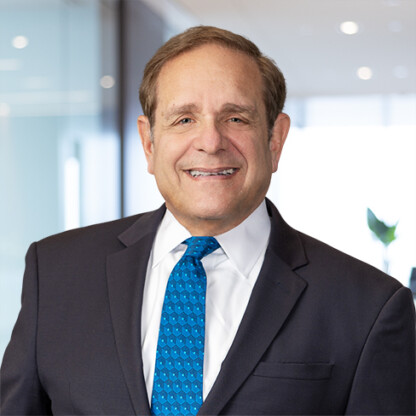
Neuberger Comments on Likely Impact of Supreme Court’s Janus Decision
June 28, 2018
SHRM
Partner Mark Neuberger was quoted in a SHRM article, “Decline in Union Membership Expected After High Court Ruling,” about the anticipated fallout from the Supreme Court’s holding in Janus v. AFSCME Council 31, which banned mandatory union fees for public-sector employees.
Neuberger said the decision continues a trend that is developing in the private sector, where more and more states have passed laws outlawing all forms of mandatory union dues. It will also weaken the effectiveness of all public-sector unions in the states that had allowed compulsory agency fees, he said.
“On a grander scale, for good or for worse, this decision will lead to a further decline in the percentage of the American workforce that is unionized,” he added.
Neuberger said the decision continues a trend that is developing in the private sector, where more and more states have passed laws outlawing all forms of mandatory union dues. It will also weaken the effectiveness of all public-sector unions in the states that had allowed compulsory agency fees, he said.
“On a grander scale, for good or for worse, this decision will lead to a further decline in the percentage of the American workforce that is unionized,” he added.
People
Related News
February 6, 2026
In the News
Louis Lehot Featured for Insights on Evolution of Dealmaking
Foley & Lardner LLP partner Louis Lehot highlighted the evolution of dealmaking in the Silicon Valley Business Journal article, "The Old Playbook Doesn't Work Anymore."
February 6, 2026
In the News
Gregory Husisian on What U.S.-India Trade Deal Means for Fashion Supply Chains
Foley & Lardner LLP Gregory Husisian discussed the broader geopolitical evolution of the US-India agreement in the Vogue Business article, “What the US-India Trade Deal Could Mean for Fashion’s Supply Chains.”
February 2, 2026
In the News
Aaron Maguregui Outlines AI Regulation and Pharma Challenges in Health Care
Foley & Lardner LLP partner Aaron Maguregui examining the regulatory landscape for AI in the health care industry in the PharmaVoice article, “As artificial intelligence increasingly takes on new patient-facing roles, laws lag behind.”