James Austin is an associate and litigation attorney with Foley & Lardner LLP. James focuses his practice on commercial litigation matters and has significant experience representing employers in labor and employment disputes. He advises clients through all stages of pre-litigation and litigation, helping them navigate complex issues to achieve their business objectives.
James has successfully defended employers in complex disputes in both state and federal courts and before administrative bodies in a variety of matters involving commercial contracts, fiduciary duties, business torts, restrictive covenant disputes, discrimination, retaliation, harassment, and collective actions under the Fair Labor Standards Act. As a part of his employment practice, James also advises employers on emerging workplace regulations, including the use of artificial intelligence (AI) in hiring and other employment practices, in addition to writing several articles on the growing trend to regulate AI in the employment context.
In his practice, James also works closely with clients and government agencies in responding to governmental inquiries, including subpoenas and civil investigative demands, and provides counsel throughout all phases of investigation.
Prior to practicing law, James served as a judicial intern for the Honorable Judge Michael A. Shipp in the U.S. District Court for the District of New Jersey, worked as a legal intern for a leading LGBTQ+ healthcare organization in Philadelphia, worked in corporate community engagement, and co-founded a 501(c)(3) organization serving LGBTQ+ young adults.
Affiliations
- Member, Lesbian and Gay Bar Association of Chicago
Community Involvement
- Co-Founder, Lighthouse LGBTQ, 501(c)(3)
Presentations and Publications
- Author, “DePaul University,” Title IX at 50 (2024)
Minnesota’s New Paid Leave Law Is Here: What Employers Need to Do Before January 1, 2026
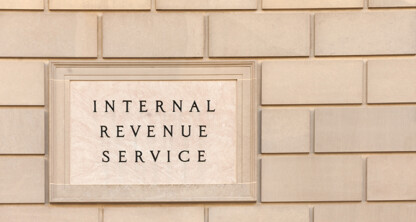
IRS Now Permitted to Share Tax Identification Data with ICE: Considerations for Employers
New Illinois Workplace Transparency Act Amendments Target Employer Agreements
/Passle/6719612c5e4bbe2174a65d17/SearchServiceImages/2025-08-18-20-18-37-145-68a38a9d696f3530f9114fcf.jpg)
Seventh Circuit Establishes New Standard for FLSA Conditional Collective Certification: How This May Benefit Employers