




Morgan Comments on Tax Implications of Benefit Changes Due to Teleworking
October 23, 2020
SHRM
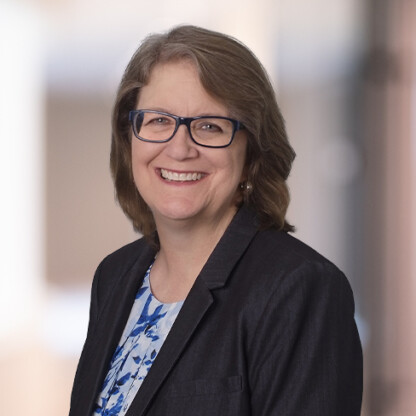
Partner Belinda Morgan was quoted in a SHRM article, “Avoiding Tax Problems with New Benefits,” about how employers can inadvertently create tax liabilities by offering new benefits to teleworking employees.
Considering how quickly employers needed to respond to the issuance of work-from-home orders at the start of pandemic, Morgan said, it’s “not surprising” that the tax treatment of a particular benefit wasn’t at the top of anyone’s mind at the time. But now that work-from-home arrangements and other workforce changes have become routine, employers may want to consider whether these new benefits are a normal business expense or a “fringe” benefit that could create tax liabilities for both the employer and the employee.
“Small rewards for good performance, such as an employer-branded hat or a similar inexpensive item, will be nontaxable,” she said. “If that reward is payable in the form of a $5 Starbucks gift card, however, it will be taxable,” even if the monetary value of those two gifts is the same.
People
Related News
March 13, 2026
In the News
Chris Babcock and Chris Converse on Wave of Companies Moving to Texas
Foley & Lardner LLP partners Chrisopher Babcock and Chris Converse commented on the widening trend of companies reincorporating to Texas in the Houston Business Journal article, “Texas law changes could spark wave of corporate redomestication proposals."
March 12, 2026
In the News
Louis Lehot Explores M&A's Growing Blitzhire Phenomenon
Foley & Lardner LLP partner Louis Lehot authors article on the emergence of blitzhires in the Mergers & Acquisitions article, “Blitzhires: The New Fast-Moving M&A Deal.”
March 10, 2026
In the News
Aaron Maguregui Shares Insights on Shadow AI Risks in Health Care
Foley & Lardner LLP partner Aaron Maguregui was quoted in the Part B News article, “Do you need AI policy? Experts suggest guardrails as 'shadow AI' spreads,” discussing the emerging risks of unsanctioned 'shadow AI' use by clinicians and the need to establish robust AI governance.