Sectors
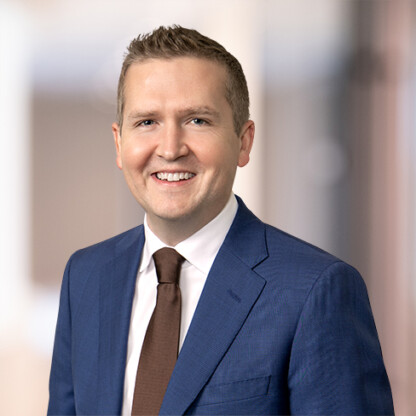
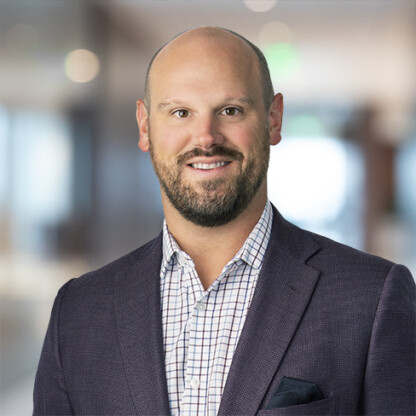
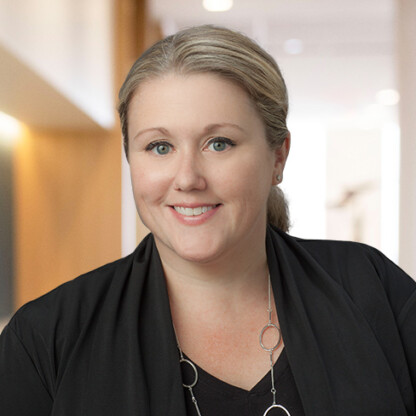
Foley & Lardner partners Jonathan Witt, Spencer Moats, and Kathleen Bardunias highlighted the rising interest in employee stock ownership plans (ESOP) in the PlanSponsor article, “ESOP Returns Outpace S&P 500.”
In a recent Foley blog post cited in the article, the attorneys described the renewed attention on ESOPs amid legislative developments, outlining both the emerging opportunities and key challenges ESOPs pose for business owners.
Witt told PlanSponsor that ESOPs enable companies to “maintain liquidity” and “empower employees,” noting they can provide a business with steadier cash flow and avoid the long-term debt obligations of outside financing.
Moats said companies that experience “sustainable earnings and profitability” could be a strong candidate for an ESOP, with the “attractiveness of the ESOPs to plan participants” dependent upon the company’s ability to service its debt. He added that in certain structure, ESOPs can offer tax advantages. Moats pointed to a 100% ESOP-owned S corporation, which allows companies to operate largely free of federal income tax, as well as ESOP returns being exempt from state income tax in certain jurisdictions.
Witt pointed to improved employee engagement as another perk of ESOPs. “ESOP ownership enables employees to go from thinking of themselves as ‘cogs in a machine’ to holders of a meaningful ownership stake that could grow their wealth if they stay with the company long-term,” he explained.
“ESOPs are the only plans in the retirement space that function as tax-efficient ownership transition tools with positive effects on company culture, longevity, and overall strategic growth,” Bardunias said.
With valuation the cornerstone of every ESOP transaction, Witt noted the complexity behind giving “adequate consideration” to a company’s value in accordance with U.S. Department of Labor regulations and the resulting fear of potential litigation alleging a lack of it. Legislative efforts to clarify the term, including the Retire Through Ownership Act, would give fiduciaries confidence they are on solid ground if they follow proper protocols, he added.
(Subscription required)