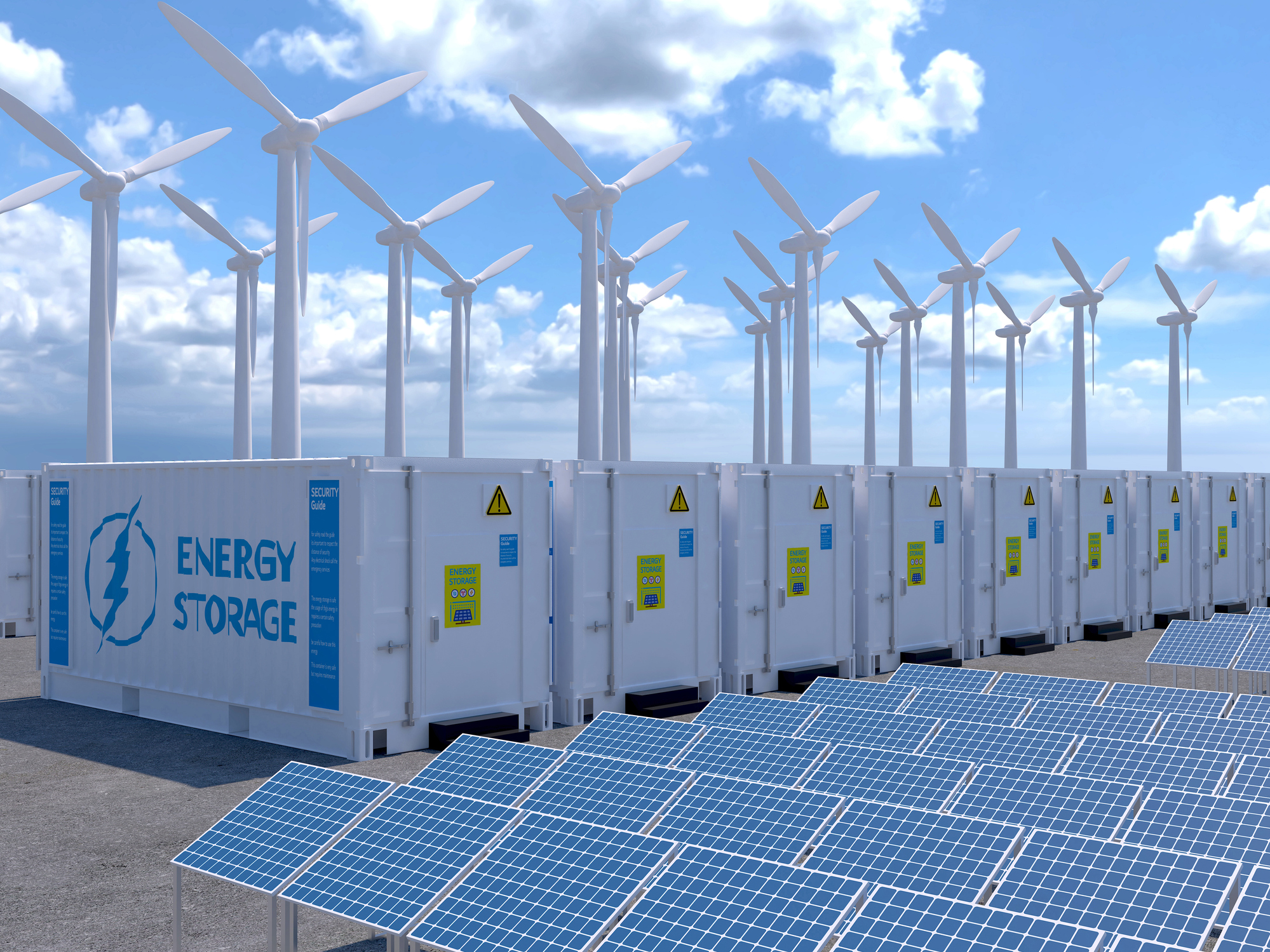
Battery storage is quickly becoming a major player in the clean energy transition. There are two main project types: storage-only projects and co-located projects. Storage-only projects are stand-alone battery systems that store electricity from the grid when it’s cheap or abundant, then deliver it during times of high demand. Co-located projects combine a renewable energy source with batteries at the same site, allowing them to store extra power and sell it later at better prices.
Both models face regulatory hurdles. In many areas, rules for how storage participates in electricity markets are still evolving. For example, FERC’s Order No. 841 requires grid operators to let storage access wholesale markets, but implementation details vary by region[1]. Co-located projects may qualify for ITC credits under the Inflation Reduction Act, but developers must meet specific requirements to receive these benefits[2]. Because of this regulatory complexity, lenders often prefer projects in more tried-and-true markets, such as solar and wind.
A major challenge for storage-only projects is merchant risk; in other words, the uncertainty of relying on shifting market prices for most of their revenue as the catalyst to sell energy. To reduce this risk, developers may seek long-term contracts or diversify income through services like capacity support and frequency regulation[3]. Co-located projects can lower merchant risk because they combine steady renewable generation sales with battery services, leading to more predictable income streams.
From the lender’s point of view, financing depends on confidence in the project’s revenue model, compliance with regulations, and proven technology performance. Stand-alone storage often faces more scrutiny and might require higher developer equity. Co-located projects may seem more attractive due to their combined revenue sources, but they also require careful operations to maximize both generation and storage potential. As policies and markets mature, lenders are expected to grow more comfortable with both models, especially those backed by stable contracts and clear regulatory approval[4].