Cut, Clarity… and Compliance: How the CPSC Regulates Jewelry and Accessories
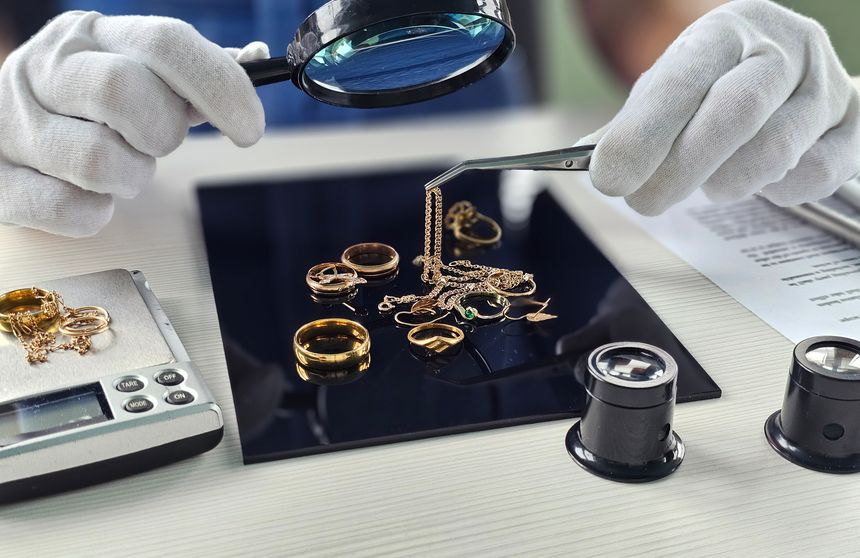
The U.S. Consumer Product Safety Commission (CPSC) regulates consumer products sold in the United States, and jewelry and accessories are no exception. Whether your business offers costume jewelry, fine jewelry, watches (including smartwatches), or children’s accessories, all these products must meet certain safety standards and regulations. Compliance obligations exist even if your company does not manufacture the items it sells. Importers, brand owners, and distributors selling directly to U.S. consumers all bear responsibility for ensuring compliance.
While jewelry and accessories may seem low risk compared to products like toys or electronics, they present distinct hazards based on how they are designed, worn, and handled. Certain key considerations are highlighted below.
Failure to address identified risks (and report to the CPSC when they meet the Consumer Product Safety Act threshold) can have real world consequences, including recalls, penalties, and reputational harm. For example, in January 2025, Fitbit agreed to pay a $12.25 million civil penalty for failure to immediately report a burn hazard with respect to certain of its smartwatches.
Heightened Requirements for Children’s Products
Of the fourteen jewelry and accessories-related recalls since July 2020, over half involved products marketed to children. See, e.g., LaRose Industries Recall of Cra-Z-Art Gemex/Gel2Gem Jewelry Kits from Mar. 27, 2025; Newmemo Recall of Children’s Jewelry Sets from Sept. 19, 2024. This is unsurprising given children’s products are subject to heightened regulation, including third-party testing, Children’s Product Certificates (CPCs), and compliance with small parts rules to prevent choking hazards. Even companies focused on adult products must meet these requirements when producing youth-oriented designs.
Magnets and Button Cell Batteries
Magnetic clasps and button cell batteries can pose serious health risks if these items (or other small decorative elements) detach and are swallowed. Design and quality controls should ensure that all small parts, including magnets and batteries, are properly secured and tested for compliance. Batteries can also overheat, posing a risk of burns. See, e.g., Fitbit Recall of Ionic Smartwatches from Mar. 2, 2022. Companies should regularly test for compliance and thoroughly investigate potential reports of overheating and burns related to “smart” accessories and other battery-operated products.
Sharp Edges and Pinch Points
Common features such as prongs, pointed shapes, and rigid components can present sharp edges and pinch points. Jewelry and accessories should be evaluated in both new and worn conditions to identify potential burrs, edges that are or may become sharp, and loose parts that could cause injury.
Packaging Hazards and Compliance
Packaging is also subject to scrutiny. Items with treated cleaning cloths (e.g., chemical treatments subject to the Federal Hazardous Substances Act) may require certain labels and/or child-resistant packaging and larger plastic bags must include suffocation hazard warnings. Compliance reviews should be holistic, covering both the product and its packaging.
Lead and Heavy Metal Content, Including in Coatings, Paints, and Enamels
Many jewelry recalls over the past six years have related to impermissibly high levels of lead and cadmium content, particularly in products intended for children. See, e.g., Yaomiao Recall of Children’s Jewelry Sets from Jan. 2, 2025; H&M Recall of Men’s Clasp Beaded Bracelets from Sept. 21, 2023; Boy Scouts of America Recall of Cub Scout Activity Pins from July 1, 2020. Federal regulations set strict permissible limits for lead in children’s products (generally 100 ppm or lower, depending on the material), and the CPSC has also scrutinized cadmium and other toxic metals that can cause harm if ingested. Enamel finishes and painted surfaces must also meet requirements. Wear and abrasion testing is important to ensure that hazardous base materials are not exposed during normal use. Further, certain metals (e.g., nickel) can cause allergic contact dermatitis and other skin reactions in sensitive consumers. Materials disclosure, transparent labeling, and the use of hypoallergenic alloys can reduce complaints and help meet safety obligations.
Recall Preparation
Jewelry and accessories recalls can be logistically complex, as these products are commonly gifted, worn, or stored in personal collections. Companies should have a recall plan that aligns with the CPSC’s recall guidance, including tracking sales across various channels and clear consumer outreach.
Supply Chain Transparency
Jewelry and accessories production often involves multiple countries for sourcing, manufacturing, and assembly. The CPSC’s import safety requirements place responsibility on importers and brand owners to verify compliance. This includes obtaining supplier certifications, conducting periodic independent testing, and maintaining accurate records.
Compliance with CPSC requirements for jewelry and accessories goes well beyond metal content limits. Allergic reactions, magnet and battery safety, sharp edges, packaging hazards, and material durability are all areas of regulatory focus. Because jewelry and accessories are oftentimes worn directly on the body, safety issues can quickly escalate into health risks and reputational damage. Addressing these considerations in design, sourcing, and quality control processes helps protect both consumers and brands. If you have questions about how CPSC regulations can impact your business, Foley is here to help.