SEC Enforcement Director’s First Speech: “Fairness Is Not Weakness”
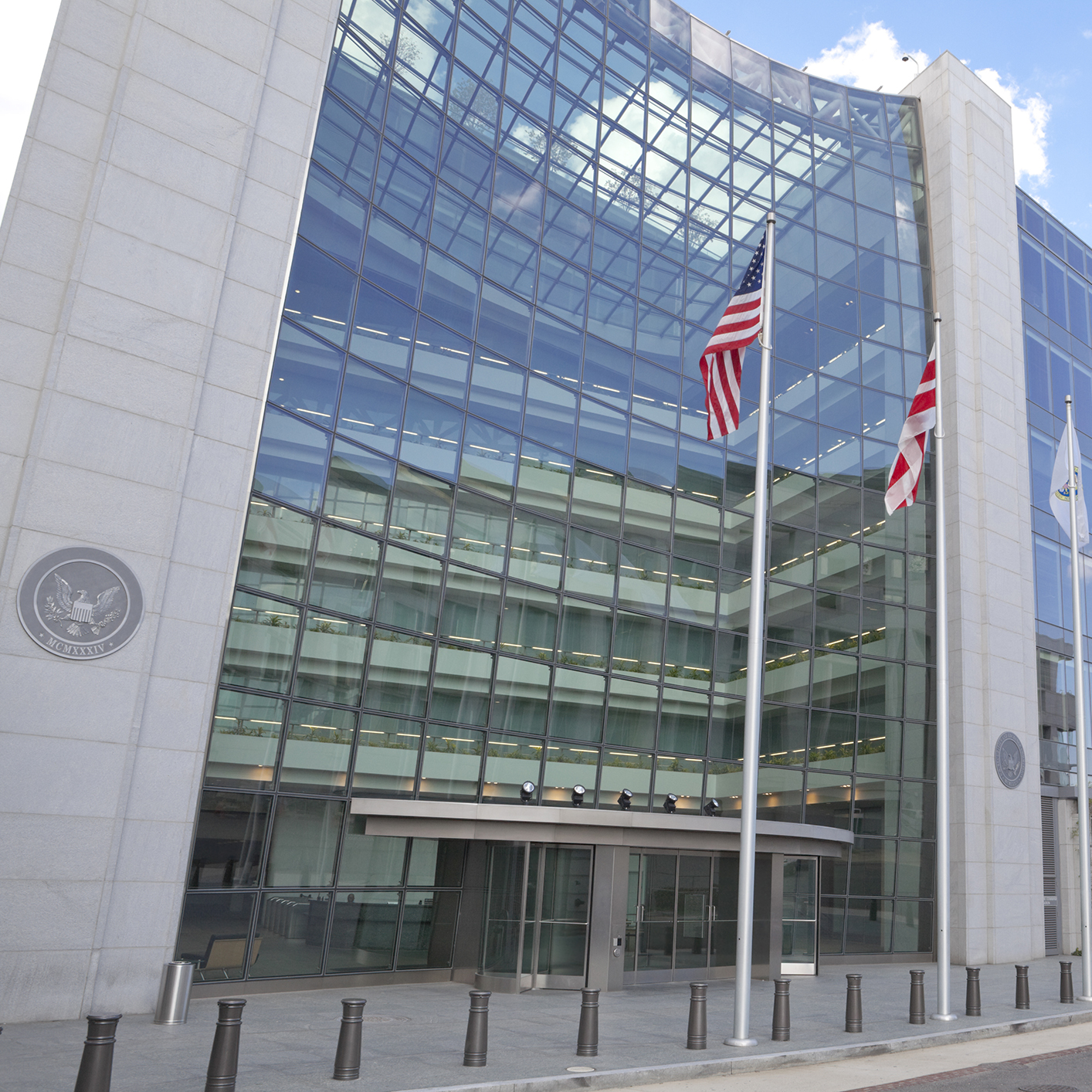
Judge Margaret “Meg” Ryan’s first speech as Securities and Exchange Commission (SEC) Enforcement Director offered an early look at how the program will operate under Chairman Atkins and her leadership. Her speech included the famous Spiderman quote that “with great power comes great responsibility.” She framed her leadership approach around integrity, fidelity to the law, and the “fair and judicious use” of government power. She specifically rejected the idea that SEC enforcement has been “tossed to the wayside,” instead describing a principles‑driven return to basics and a focus on impactful cases.
Judge Ryan stressed process, with a particular emphasis on the Wells stage. Firms and individuals that receive Wells notices will now have four weeks to respond in writing, and a senior staff member of the Division of Enforcement will attend every Wells meeting. She stated that Wells submissions will be carefully reviewed by both staff and the Commission and can affect charging decisions, while warning the defense bar that “fairness is not weakness” and that tactical delay or gamesmanship will not be tolerated.
On priorities, she emphasized the continued focus on fraud and securities laws violations that harm retail investors and specifically mentioned accounting fraud, insider trading, wash trading, and market manipulation. Interestingly and importantly, Judge Ryan also addressed that focus would remain on significant non‑fraud compliance failures in areas like disclosures, books and records, internal controls, and broker‑dealer and investment adviser supervisory obligations. She also indicated openness to resolving certain non‑fraud compliance issues through remedial, compliance‑oriented resolutions rather than charging such firms with enforcement actions.
Key Takeaways
Judge Ryan’s speech signals a principles‑driven “return to basics” under Chairman Atkins, with fewer novel theories and more focus on core fraud and market‑integrity cases and serious compliance breakdowns. She spotlighted the Wells process, promising meaningful consideration of submissions by senior staff and the Commission, while pairing that commitment with a clear warning that delay tactics and gamesmanship will not be tolerated. With finite resources, the SEC will prioritize high‑impact matters, particularly retail investor fraud, accounting and trading abuses, and material reporting, controls, and fiduciary lapses, and will consider non‑enforcement or tailored resolutions where firms address non‑fraud compliance issues through good‑faith and full remediation.