


Key Takeaways
- Electricity demand, driven largely by artificial intelligence, is outpacing the country’s ability to add new generation. Small modular reactors are 5 to 10 years away even with expedited permitting and construction. Gas turbine manufacturers have order backlogs running into years, including a roughly six-year U.S. waitlist for new large turbines, and solar and wind cannot fill the gap in the short term. Investor appetite underscores the pressure: Anthropic’s initial public offering imputed a $2 trillion market capitalization, a bet on AI that is equally a bet on future electricity demand.
- Rather than wait on the grid, companies that need on-demand, real-time power are building captive power plants next to the facilities they serve. According to TechCrunch, citing the Financial Times, Reuters and CNBC, Anthropic reached a $3.4 billion agreement in late September 2026 to take over orders placed two years earlier by OnePwr, a Texas company that was apparently unable to secure financing. The deal covers heavy-duty Caterpillar gas-fired generators, cited at up to 1.7 GW of output, plus engineering and construction services, with delivery expected within two years. Anthropic is not acquiring OnePwr or its employees, and Robert Bryce notes that its preferred strategy remains renting generation from third parties. Captive plants avoid drawing on the existing grid, and in some communities developers have promised to feed power into the grid free of charge.
- The bridge technology is more than a century old. The heavy-duty engines built by Caterpillar, Wärtsilä, Bergen Engines and Hyundai are Otto-cycle engines, named for the inventor who built the first successful four-stroke engine in the late 1800s. One manufacturer reports combined-cycle efficiency of approximately 54%, roughly 90% of the efficiency of modern turbines at lower cost. These engines are positioned to carry demand until small modular reactors and restarted larger reactors come online, and the author plans a follow-up on how chip and computing advances may slow the growth in future energy needs.
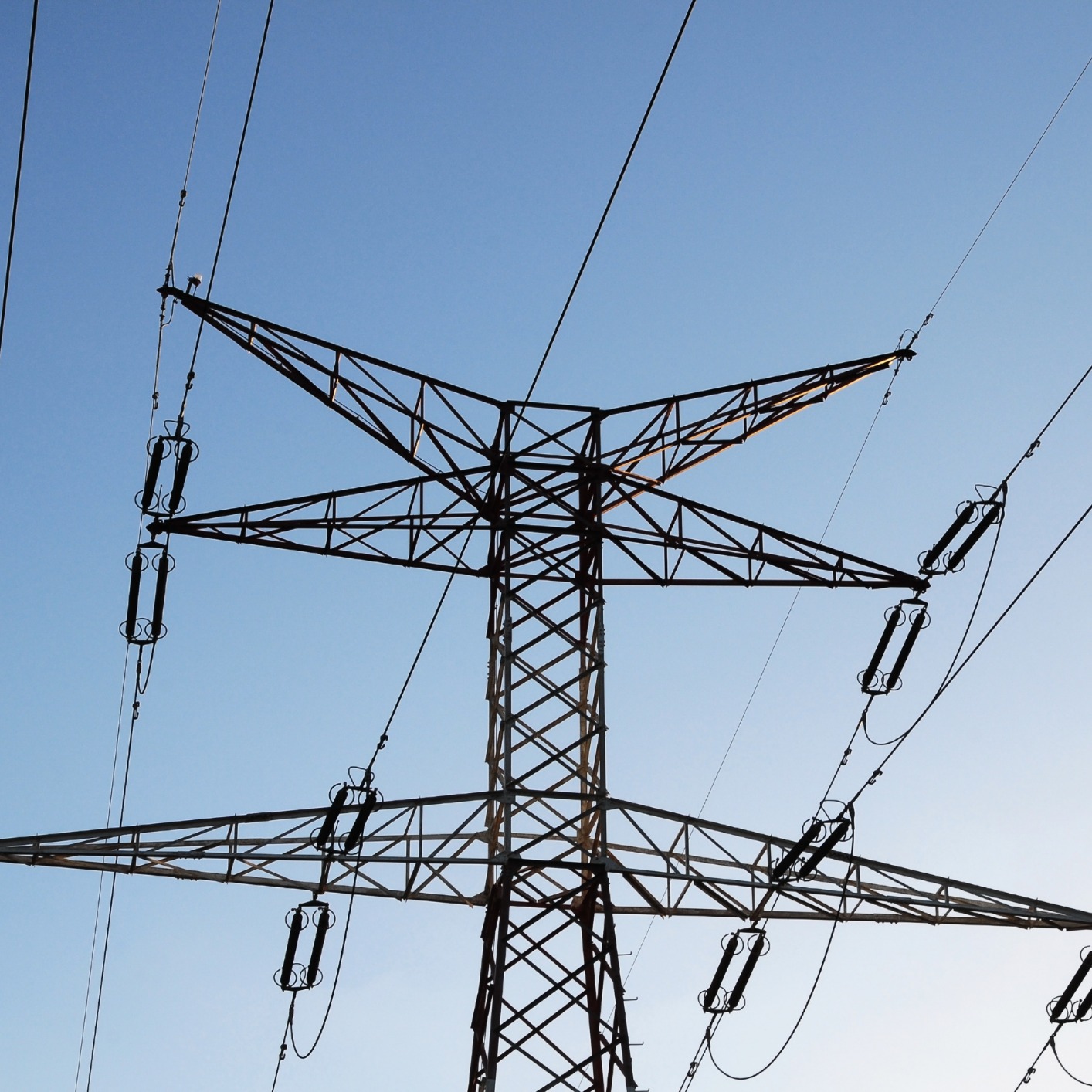
We’re inundated with articles telling us that our need for electricity will soon outstrip our current means of production. Hopeful eyes look to small modular reactors (SMRs). But even under expedited permitting and construction those are 5 – 10 years away. Gas turbines are efficient, economical, fast to deploy and relatively clean. But the turbine manufacturers have an order backlog that runs into years. Solar and wind power cannot fill the gap in the short term.
So then, do we consign ourselves to be a second rate technological player while waiting for means of electricity production to catch up with consumption? No. In prior periods of “energy crisis” – whether it was the notion that the US had run out of natural gas, or that “Peak Oil” had occurred, scientific advancements have shown up in time. Chief among these advancements were horizontal fracturing (“fracking”) and space age advancements in geological and geophysical imaging. The “next gen” in energy developments lies in fission and fusion nuclear power. But until SMRs come online and their larger siblings come out of hibernation, a much older technology is here to fill the gap.
Using today’s example, as I write this, Anthropic floated its initial public offering, imputing a $2 trillion market capitalization. Clearly, investors are betting on a bright future for artificial intelligence, meaning an equally bright future (no pun intended) for electricity.
Anthropic did not bet blindly on future energy development. Rather it, and many others needing on demand, real-time electricity, are investing in their own captive power plants, sited next to the facilities they will power. These plants will not need to draw power from the existing power grid, and in some communities, are promised to feed power, free of charge, into the power grid, benefiting local communities.
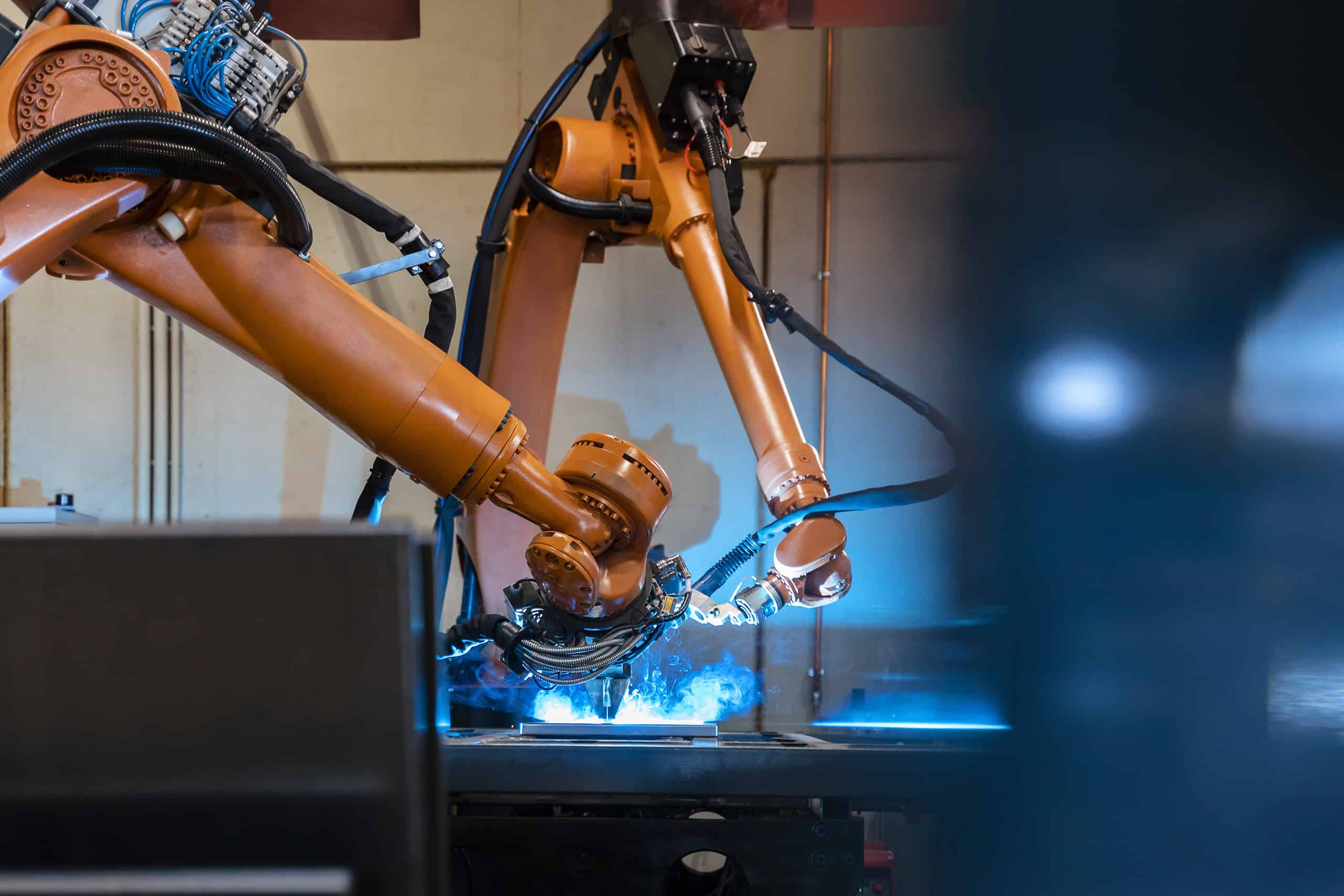
As our friend Robert Bryce wrote in his Substack article, Anthropic’s preferred strategy is renting generation facilities from third parties. But it recently announced a $3.4B Gas Generator deal to power its AI data centers. It is an acquisition of already placed orders for: heavy‑duty gas‑fired Otto cycle generators manufactured by Caterpillar, each capable of up to 1.7 GW output; engineering and construction services to install the equipment at Anthropic’s facilities; and delivery expected within the next two years, avoiding a six‑year U.S. waitlist for new large turbines. According to TechCrunch, quoting the Financial Times, Reuters, and CNBC, the agreement was reached in late September 2026 to take over orders placed by OnePwr, a Texas company, two years ago. OnePwr was apparently unable to find financing, so flipped its order book to Anthropic. However, Anthropic is not acquiringOnePWR or its employees.
I mentioned the use of old technology above. As Bryce reminds us, these heavy duty gas engines (manufactured by Caterpillar, Wartsilla (a Finnish engine manufacturer), Bergen Engines and Huyndai among others) are “Otto cycle” engines, a technology named after the first person to successfully build a 4 stroke engine, in the late 1800’s. Today, according to one of the manufacturer’s websites, these engines can achieve “combined cycle” efficiency of approximately 54 %. That’s roughly 90% of the efficiency of modern turbines, but at less cost. These will provide the bridge to future, more permanent power solutions.
And there’s more — look for a coming article on how chip and computing advancements may reduce the increase in future energy needs.