




Unclaimed Property Roundtable with Delaware State Escheator and Leading Practitioners
October 9, 2025
Join us for an exclusive luncheon with fellow business executives to discuss unclaimed property developments affecting your business and industry. Our all-star panel will cover a variety of topics, including legislation, internal policies and compliance, audit, voluntary disclosures, and litigation. There will be an opportunity to submit anonymous questions for the panel in advance.
Who should attend: General Counsel, Controller, Chief Accounting Officer, and Finance and Accounting Professionals.
Featured Speakers and Hosts
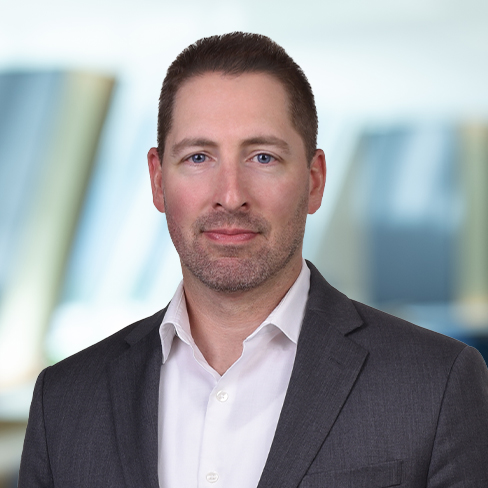
Jeremy Abrams
Of Counsel – Foley & Lardner

Lynn Gandhi
Partner – Foley & Lardner
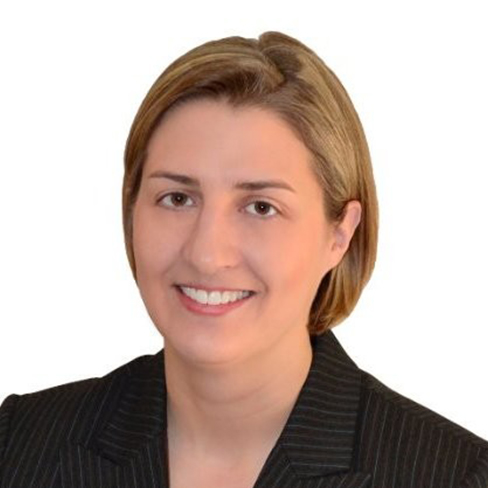
Brenda Mayrack
State Escheator –
State of Delaware
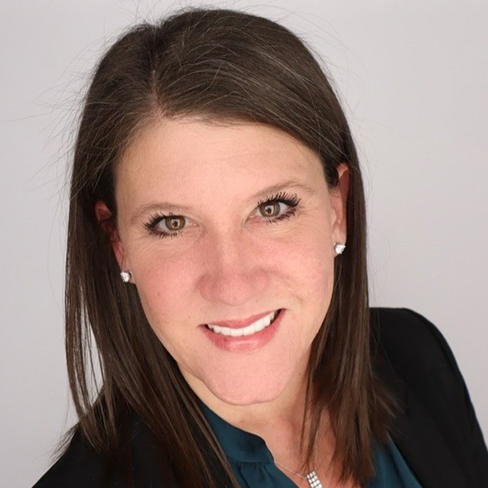
Nina Renda
National Unclaimed Property Leader –
Deloitte
Related Insights
February 24, 2026
Foley Viewpoints
Bridging AI and Clinical Reality: Lessons from the Mayo Clinic Platform in Precision Medicine
Artificial intelligence is no longer a peripheral tool in personalized medicine. AI is becoming a central driver of how diagnostics,…
February 24, 2026
Tariff & International Trade Resource
What Every Multinational Should Know About …The New Section 122 Tariffs and Preserving IEEPA Refund Rights
Share on Twitter
Share by Email
Share
Back to top
In the immediate aftermath of the U.S. Supreme Court’s decision invalidating tariffs imposed under the International Emergency Economic Powers Act (IEEPA), the Trump administration has moved quickly to replace those tariffs with a new across-the-board tariff under Section 122 of the Trade Act of 1974.
February 24, 2026
Tariff & International Trade Resource
What Every Multinational Should Know About…Managing the Aftermath of the Supreme Court’s IEEPA Tariff Decision (Part II)
The importer of record is the entity that initially pays all tariffs and thus is the entity that would receive any IEEPA tariff refunds. Nonetheless, behind the scenes there often are a variety of mechanisms importers of record may have used to handle the often unexpected tariffs, including pushing back on suppliers for price concessions, using surcharges to pass along tariffs, or general price increases.