SEC Chair Paul Atkins Pushes Risk Factor Reform — Could a “Safe Harbor” Mean Softer Enforcement?
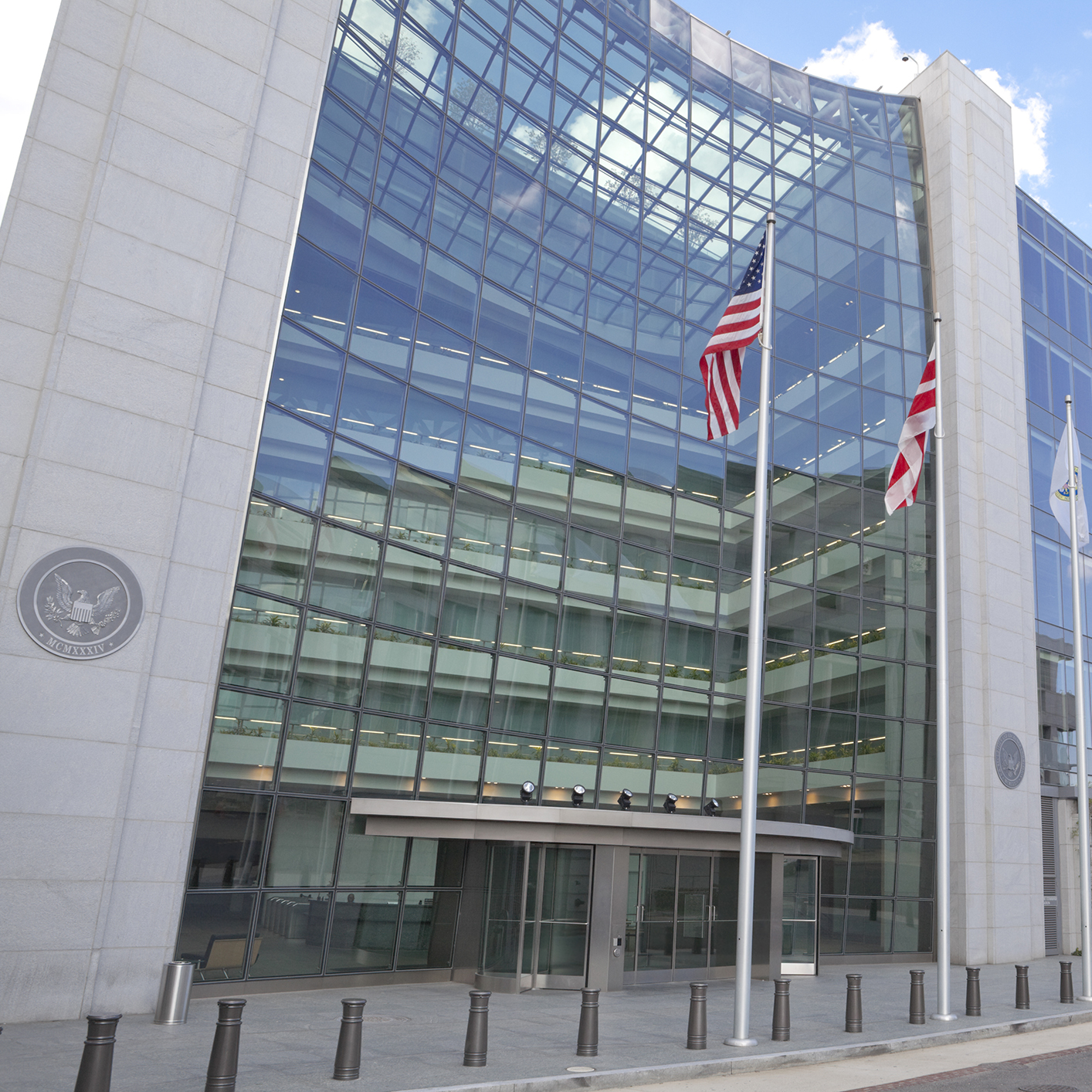
At the Texas A&M School of Law Corporate Law Symposium on February 17, 2026, U.S. Securities and Exchange Commission (SEC) Chair Paul S. Atkins addressed the ballooning size and complexity of corporate risk factor disclosures in public filings — and his vision for cutting them down.1
From Concise Risk Lists to 15-Page Legal Shields
Drawing on his experience as an SEC Commissioner in 2005, when risk factor disclosure was extended from prospectuses to annual and quarterly reports, Atkins recalled that regulators had anticipated a short discussion of “two or three pages” outlining the most pressing business risks. Today, he lamented, the section has become one of the longest parts of Form 10 K filings, driven more by legal liability concerns than investor communication.
“If pay-versus-performance disclosure is written by economists for economists,” Atkins explained, “risk factors are disclosure written by lawyers for lawyers.” The culprit, he suggested, is a defensive impulse. Legal teams advise compiling exhaustive lists of generic hazards — from geopolitical tensions to natural disasters — in order to invoke the “bespeaks caution” doctrine and statutory safe harbors for forward-looking statements. This practice guards against shareholder litigation retrospectively alleging failures to warn, especially in event-driven suits sparked by widely publicized incidents.
The Litigation Safe Harbor Proposal
In an effort to reduce disclosure bloat, Atkins recommended two options:
First, “if the primary purpose is for management to communicate to investors,” then Atkins recommended that companies, or the SEC, maintain a general risk repository, containing a set of industry-agnostic risks published outside of annual reports, to serve as standard boilerplate for common hazards.
Atkins’ “general risk repository” concept would centralize common, industry-wide hazards — such as geopolitical instability or natural disasters — outside of company filings, allowing issuers to reference them rather than repeat lengthy boilerplate. This approach could streamline disclosure and refocus risk sections on company-specific threats, but its effectiveness would depend on investor access to the repository and market confidence that excluding these generic risks from filings does not dilute transparency.
Second, “if the primary purpose of risk factors is litigation defense,” then Atkins recommended implementing a safe harbor rule stating that failure to disclose impacts from publicized events reasonably likely to affect most companies “will not constitute material omissions” under some or all of the federal securities laws’ anti-fraud provisions.
By shielding companies from liability for omitting such generic risks, the safe harbor could incentivize shorter, company-specific risk sections, freeing management to focus on material threats that genuinely distinguish their business.
Potential Enforcement Shifts
Atkins sketched only the broad contours of a potential safe harbor, leaving open critical questions about its boundaries, operational details, and specific protections for issuers. Still, the idea carries undeniable appeal as a potential bulwark against event-driven suits stemming from widely publicized incidents.
The ramifications could extend well beyond disclosure drafting. Historically, omissions or misleading statements in the risk factor section have provided fertile ground for both SEC enforcement and private securities litigation. A safe harbor that expressly curtails liability for particular omissions would fundamentally reshape that terrain. By definition, such a rule would temper enforcement on misstatements or omissions that meet the safe harbor’s criteria, narrowing the regulatory and litigation crosshairs on issuers.
Yet implementation would raise difficult interpretive issues — for example, how courts define “reasonable likelihood to affect most companies,” a threshold that is inherently subjective and could vary across jurisdictions. A more confined litigation zone might curb frivolous claims, but it also risks leaving investors less prepared for foreseeable, broad-based disruptions. The balance between reducing excessive legal exposure while maintaining robust investor protection would be the decisive test of this proposal’s success.
Looking Forward
The safe harbor proposal is still conceptual, with no formal rulemaking yet. If adopted, it would mark a noticeable shift in philosophy, prioritizing streamlined investor communication over comprehensive legal insulation. Whether that shift results in softer enforcement or simply smarter disclosure depends on how the SEC frames the rule and how aggressive plaintiffs’ bar challenges omissions outside its scope.
For issuers and their counsel, Atkins’ remarks offer both potential benefits and uncertainty: the benefit of leaner filings and lower litigation risk, and the uncertainty of how much protection a safe harbor would truly provide against the twin forces of SEC enforcement and private securities claims.
As Atkins put it in Dallas: “If companies are not compelled to catalogue nearly every conceivable contingency to guard against hindsight litigation, then they can focus on risks that are more distinctive to their business.”
- Paul S. Atkins, Remarks at the Texas A&M School of Law Corporate Law Symposium (Feb. 17, 2026), available at https://www.sec.gov/newsroom/speeches-statements/atkins-02-17-2026-remarks-texas-am-school-law-corporate-law-symposium. ↩︎