Rebuilding the Thymus: AI, Regenerative Medicine, and the Emerging Biotechnology of Immune Longevity
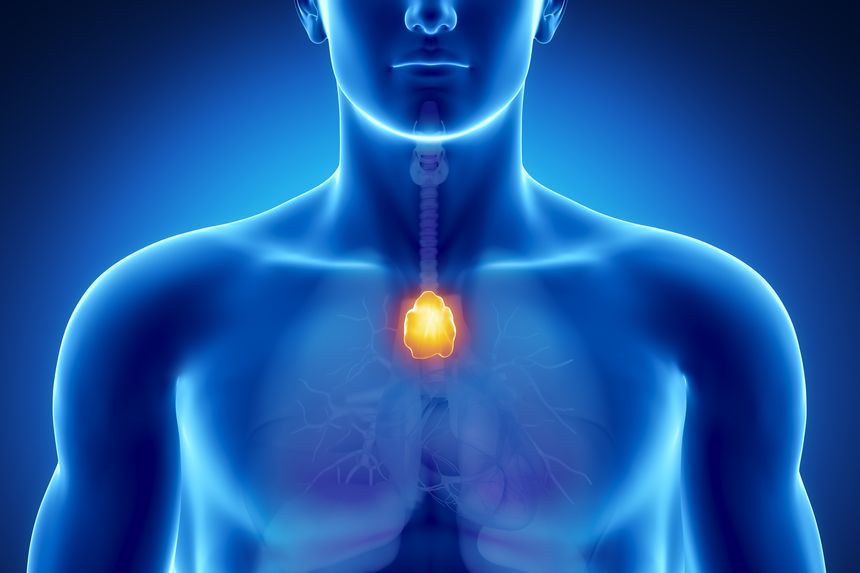
This recent Nature article by Bernatz et al. particularly piqued my interest because years ago I did scientific research on thymic biology and T-cell development in the Experimental Immunology Branch at NIH. Beyond the biology itself, the study may signal a broader shift in how the biotechnology industry thinks about aging, immunity, and regenerative medicine. Using deep learning models trained on routine CT scans, the researchers developed a framework to quantify “thymic health” and showed that preserved thymic function in adults is associated with substantially lower risks of mortality, cancer, cardiovascular disease, and chronic inflammatory conditions.
For decades, the thymus was often viewed as biologically important in childhood but largely clinically irrelevant in adulthood. However, this study suggests that variation in thymic decline may be a measurable driver of disease susceptibility across the adult lifespan. Accordingly, this Nature study provides a measurement framework that transformed routine imaging into a clinically meaningful proxy for immune system health. As regenerative medicine matures, these kinds of validation and monitoring systems may become increasingly important strategic assets.
At the same time, a recent review in Trends in Molecular Medicine by Kreins and Weinacht highlights how advances in stem cell engineering and thymic epithelial biology are rapidly moving thymus regeneration toward clinical translation. Approaches involving iPSC-derived thymic epithelial cells (iTECs), thymic organoids, and engineered stromal microenvironments are now being explored as potential strategies to restore T cell development, immune tolerance, and immune surveillance.
These developments in thymus regeneration illustrate how regenerative medicine increasingly depends on integration of AI-based measurement systems, regenerative cell engineering, manufacturing reproducibility, immune monitoring, and longitudinal clinical validation into systems that make therapies reproducible, measurable, and regulatory credible. As a result, defensible value, including the patents and other IP that protect them, may increasingly accumulate around integrated manufacturing, monitoring, and validation capabilities rather than any single biological component alone.
Regulatory expectations are also likely to reinforce this trend. The thymus regeneration review notes that future clinical translation will require demonstrating lineage identity, functional maturation, immune tolerance, genomic stability, and manufacturing reproducibility. The broader implication may be that regenerative medicine companies are not only developing therapies but also building systems that combine AI, manufacturing, immune engineering, and translational validation into a coordinated platform.
The thymus, long regarded as a fading organ of childhood, may therefore become an important proving ground for a larger transition already emerging in biotechnology: from isolated therapeutic interventions toward integrated biological platforms designed to restore and sustain function over time.
Together, these findings reposition the thymus as a central regulator of immune-mediated ageing and disease susceptibility in adulthood, highlighting its potential as a target for preventive and regenerative strategies to promote healthy ageing and longevity.
View referenced article