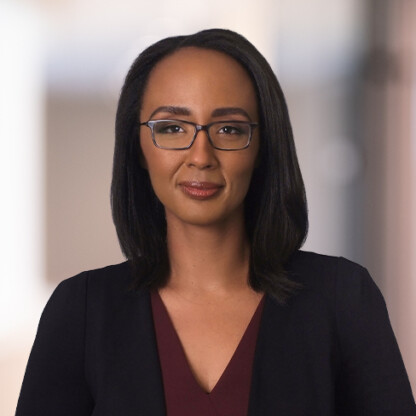
Foley Juneteenth Program With Journalist Michele Norris: We All Have a Story

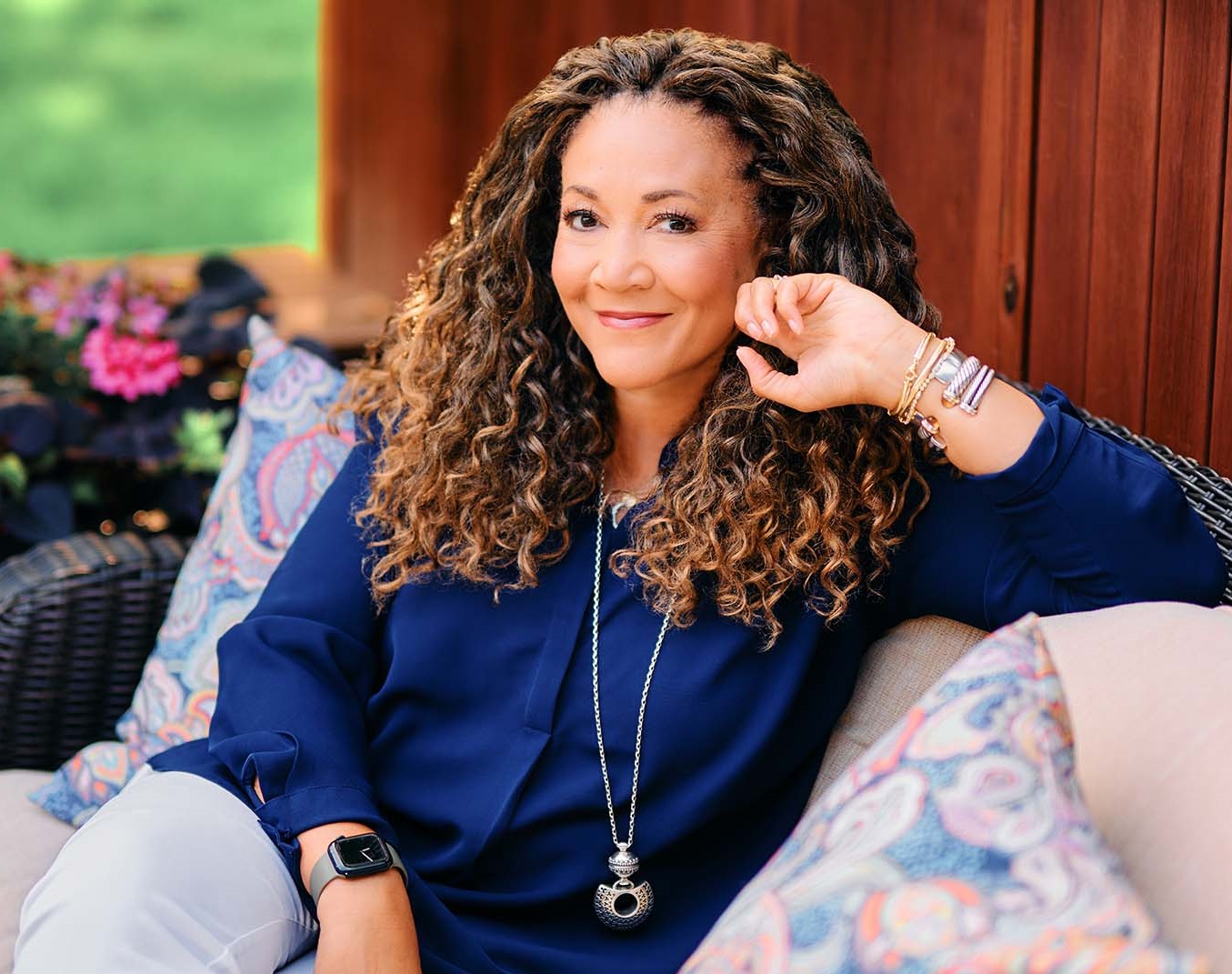
In celebration of Juneteenth, Foley & Lardner welcomed MS NOW Senior Contributor Michele Norris for a firmwide program on June 22. An award-winning journalist, New York Times bestselling author, and one of the most recognized voices in radio, Norris engages audiences in candid discussions about current events, social issues, and bridging the divide in America.
Norris opened the program by sharing that she has been a story collector since a very young age. “I grew up around storytellers; my family practiced an oral history tradition,” she said. “Stories are how we understand and change the world.”
In connection with her work as a journalist, Norris created a powerful way to invite people into conversations about race and identity: asking them to tell a story in just six words. That prompt became the foundation of the Peabody Award-winning Race Card Project, which offers an accessible “on-ramp” for discussing race, cultural difference, belonging, and lived experience. What began as blank postcards Norris tucked into menus, hotel rooms, and airplane seat pockets for people around the country to fill out and mail in has since grown into a digital archive of more than 700,000 submissions.
Norris connected the Race Card Project directly to Juneteenth, sharing one person’s submission that read: Torn between two worlds, always worried. “The actual history of Juneteenth is one of people living in two worlds because information was kept from them,” she said, reflecting on the reality that enslaved people in Texas did not learn of their freedom until two and a half years after the Emancipation Proclamation had already declared it law.
“Juneteenth stands as a reminder of the painful distance between what is written and what is lived, and what it means to exist between promise and reality.”
Norris encouraged attendees to create brave spaces in the workplace, rather than simply comfortable ones. “The true representation of power is making space for everyone,” she said. “Really seeing people and thinking about their lived experiences is not just for the moral good. It’s a business imperative for building a culture of retention.”
In closing, Norris offered four principles for creating a culture of belonging:
- Curiosity: Demonstrate a genuine interest in knowing those around you and listen more than you talk.
- Courage: Be brave in the face of topics that seem personal or risky.
- Hope: Believe that showing up each day can make a difference.
- Action: Find something you can do to contribute to the culture of belonging in your own space and the larger world.
Click here to learn more about Diversity, Equity, & Inclusion at Foley, and to explore how discussions like these contribute to a more inclusive workplace and society.