Key Insights from TEDAI 2025

That’s a wrap! We recently co-hosted TEDAI San Francisco, the most important global gathering for thought leadership in artificial intelligence, where over 1,000 technologists, founders, investors, regulators, and policymakers explored the impact and power of this incredible innovation. Together, we examined our current position and considered our future direction, objectives, rationale, and approach.
Foley & Lardner LLP has been a strong supporter and the exclusive law firm sponsor of TEDAI since the beginning. Along with notable CEOs, founders, professors, and other industry leaders, Foley attorneys participated on three separate panels spanning the technical, economic, and governance aspects of AI’s next frontier. Across these three sessions, one message emerged clearly: the next wave of AI growth will hinge not only on compute power and capital, but on how effectively we align technology with human, environmental, and ethical systems.
Below we examine the key takeaways from the panels.
Key Takeaways:
- AI efficiency will define not just the future of technology, but the structure of the global economy. Sustainable scaling requires coordination across chip design, data center infrastructure, and energy policy, treating compute and power as two sides of the same industrial revolution.
- The AI investment landscape is expanding rapidly but unevenly, favoring well-capitalized players and established founders, while creating new pressure points around scalability, sustainability, and resource constraints.
- The AI cycle will self-correct, but those who combine responsibility, resilience, and foresight will emerge stronger. Building trust, transparency, and equitable access isn’t just moral, it’s the strategic moat of the next wave.
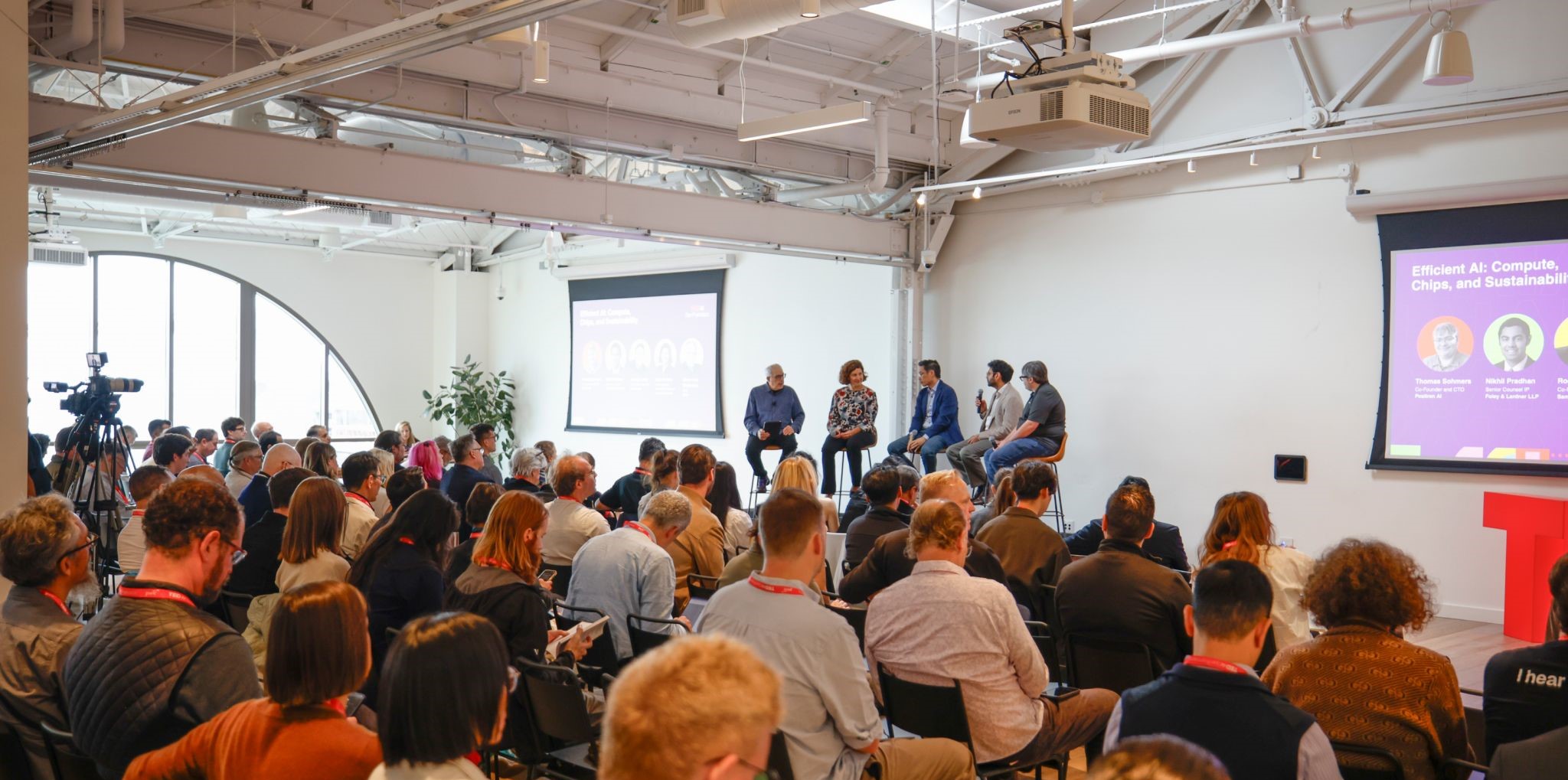
Efficient AI and Compute, Chips, and Sustainability
Foley Senior Counsel Nikhil Pradhan participated as a panelist in this session looking at advances in model compression, hardware acceleration, and distributed training that reduces costs and carbon footprint, while expanding capabilities. The panel explored the emerging discipline of “Efficient AI,” a set of technical, architectural, and policy innovations designed to make AI more sustainable without slowing its growth.
As AI scales exponentially, its power demands are redefining what efficiency means. Despite advances in chip design, cooling systems, and software optimization, total energy consumption continues to climb. While efficiency will not curb the demand for energy, it will enable AI to scale further on existing power. The discussion underscored a critical inflection point: access to energy, not funding or talent, may soon be the bottleneck for the expansion of AI. Data centers once measured in megawatts are now measured in gigawatts, with projections that energy demand in regions such as Texas could more than double by 2030. Some panelists even warned that the current energy forecasts underestimate this next wave of consumption by a wide margin.
There are new innovations in hardware and software that are helping to address this challenge, including hybrid compute architectures that match workloads to the most energy-efficient hardware, as well as a shift in software efficiency and model design that moves away from brute-force scaling toward smarter architectures. Cuts to clean-energy programs do pose a risk to slowing renewable integration, but commercial innovation is closing the policy gap when it comes to sustainability. The private sector is focusing on sustainability as a responsibility and an economic strategy, with energy location becoming a competitive differentiator.
In closing, panelists linked the energy discussion to the broader economy, stating that if AI can substitute for large portions of human labor, energy becomes the new limiting factor for productivity and growth. As one panelist noted, “Energy is becoming the new labor. If energy drives intelligence, it becomes the constraint that defines the next phase of capitalism.”
Fueling the Next Wave of Funding for AI Startups
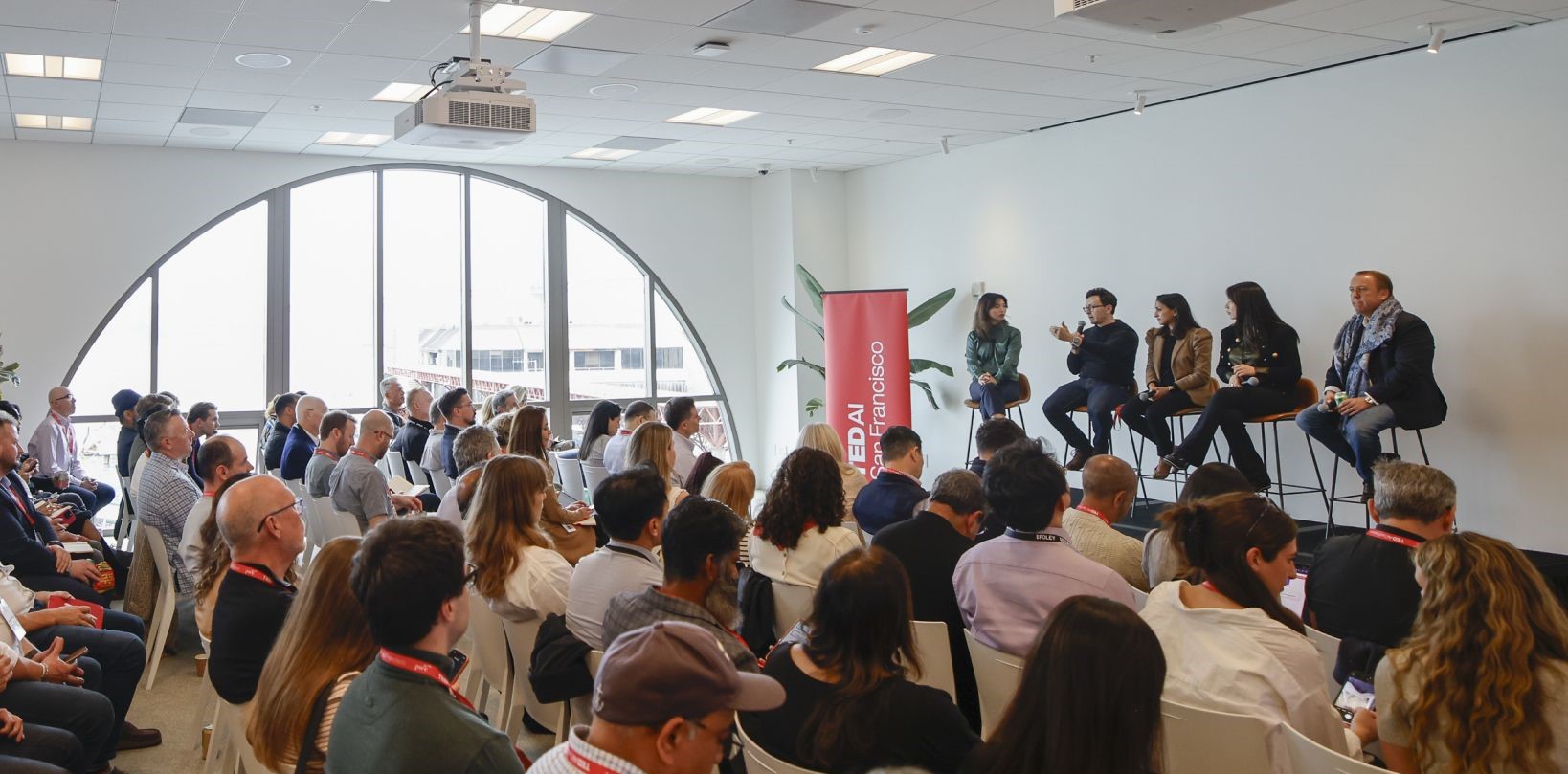
Foley Partner Louis Lehot served as a panelist for this session that brought together top founders, venture capitalists, corporate investors, and accelerators to discuss how AI startups can secure funding, build a competitive moat, and navigate today’s tighter market conditions.
One panelist noted that while AI startups are attracting unprecedented capital, the funding landscape is shifting. There is a split between startups chasing rapid revenue growth and more sustainable, founder-driven ventures. Another panelist stated that AI investment volume and deal size are both rising sharply, with funding increasingly concentrated in a small number of larger players, mirroring public market dynamics.
The growth in vertical AI applications such as health care, finance, insurance, logistics, and space tech, was also highlighted, as well as rising investor interest in AI infrastructure, particularly around energy efficiency, edge computing, and data privacy.
Lehot described the current landscape as a “tale of two worlds.” He pointed to well-funded, hyper-scalers and elite, repeat founders on one side versus struggling, early-stage startups on the other side. He said many smaller firms are facing the challenge today of scaling revenue or retaining engineers amid intense talent poaching.
The panelists concluded that the AI investment landscape is expanding rapidly, yet unevenly, favoring well-capitalized players and established founders, while creating new pressure points around scalability, sustainability, and resource constraints.
Aligning and Governing AI in a Global Landscape
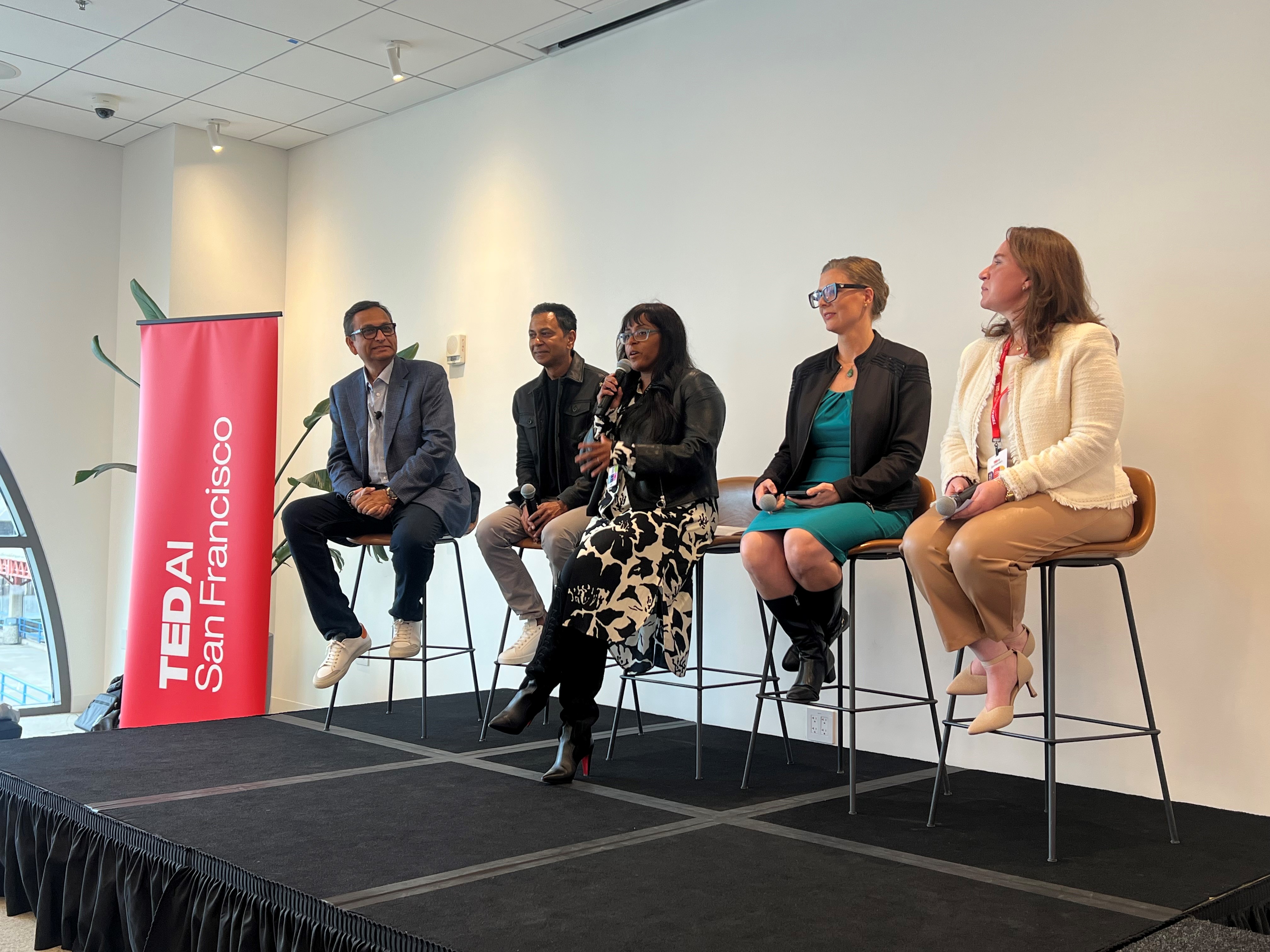
Foley Partner Natasha Allen was a panelist in this session focused on how governments, institutions, and industry are shaping rules for AI governance and what that means for organizations. The panel examined whether the current surge in AI, especially autonomous and agentic systems, is nearing a correction.
The panelists agreed that while AI’s promise is immense, a “reckoning” or trough of disillusionment, is inevitable. The discussion focused on how companies, governments, and civil society can navigate the next 18–36 months of volatility and build toward sustainable, trustworthy innovation.
The current AI boom was compared with the previous dot com boom and bust, and panelists pointed to a coming market correction, with a downturn expected within two to three years as hype gives way to real performance. Those that survive will likely be incumbents and innovators who use data responsibly and integrate AI into their core operations.
The panel also discussed the issue of governance and accountability, saying AI should be treated like human employees that are subject to codes of conduct and regulation that is context specific. They also noted that AI’s benefits must be equitably distributed, with citizens and nonprofits playing a role in ensuring responsible deployment and global inclusion.
While the government will of course play a role in defining frameworks to govern AI, panelists rejected a heavy-handed approach to regulation, with a preference for clear frameworks that define “what good looks like.” They also see a cultural and economic shift when it comes to AI, aligning profit, purpose, and trust to define the next generation of corporate leadership.
Ultimately, the panelists believe the AI cycle will self-correct, but those who combine responsibility, resilience, and foresight will emerge stronger. Building trust, transparency, and equitable access isn’t just moral, it’s the strategic moat of the next wave. As one panelist noted, “If you leverage profit and purpose together, then we win.”
To stay up-to-date on Artificial Intelligence and other Innovative Technology Sector topics from Foley, please subscribe to our newsletter.
Click here to learn more about Foley and TEDAI San Francisco.