Workplace Immigration in Upheaval: Compliance Essentials for HR Professionals
The past few weeks have brought significant developments in U.S. immigration law that directly impact employers and human resource (HR) professionals. From the termination of Temporary Protected Status (TPS) for nationals of multiple countries to new enforcement priorities and policy shifts, HR teams must stay informed to ensure compliance and support affected employees. This article summarizes the key changes and offers practical guidance for employers navigating this evolving landscape.
TPS Terminations: What Employers Need to Know
The Department of Homeland Security (DHS) has announced the termination of Temporary Protected Status for nationals of several countries. TPS is a humanitarian designation that allows nationals of designated countries to live and work lawfully in the United States when conditions in their home countries — such as armed conflict, environmental disasters, or other extraordinary circumstances — temporarily prevent safe return.
Recent announcements have terminated or announced termination dates for TPS for nationals of Venezuela, Haiti, El Salvador, Honduras, Nicaragua, Nepal, and Sudan, among others. The largest number to lose TPS status are Haitian nationals working under Employment Authorization Documents (EADs) in categories A12 and C19. Employees with those categories of work authorization lost their status effective July 27, 2026. Unless they obtained some other basis for work authorization, they can no longer be employed. Some news reports estimate that as many as 300,000 workers lost work authorization on July 27. The complete list of terminated TPS and their effective dates can be found on the USCIS I-9 Central webpage.
Heightened Enforcement and Compliance Priorities
As also reported in various[KW1] [LH2] news outlets this past week, the Trump administration is focusing enforcement inside U.S. airports and arresting foreign citizens with expired U.S. visas as they travel domestically.
On July 16, 2026, the Department of Homeland Security announced changes to the J-1 (work- and study-based cultural exchange programs) and F-1 (student) visa programs. Historically, students in these categories were admitted for the “duration of status,” meaning they could remain in the U.S. as long as they maintained their educational program and related authorized activities. Under the new rule, students will instead be admitted for a fixed period tied to their program, capped at four years per admission period.
This could negatively impact the availability of Optional Practical Trainees for companies. Employers who rely on these talent pipelines should monitor regulatory developments closely and consider diversifying their recruitment strategies.
The Trump administration has signaled increased worksite enforcement activity. Immigration and Customs Enforcement (ICE) has expanded I-9 audits and worksite investigations, and employers should anticipate more frequent and rigorous scrutiny of their employment eligibility verification practices.
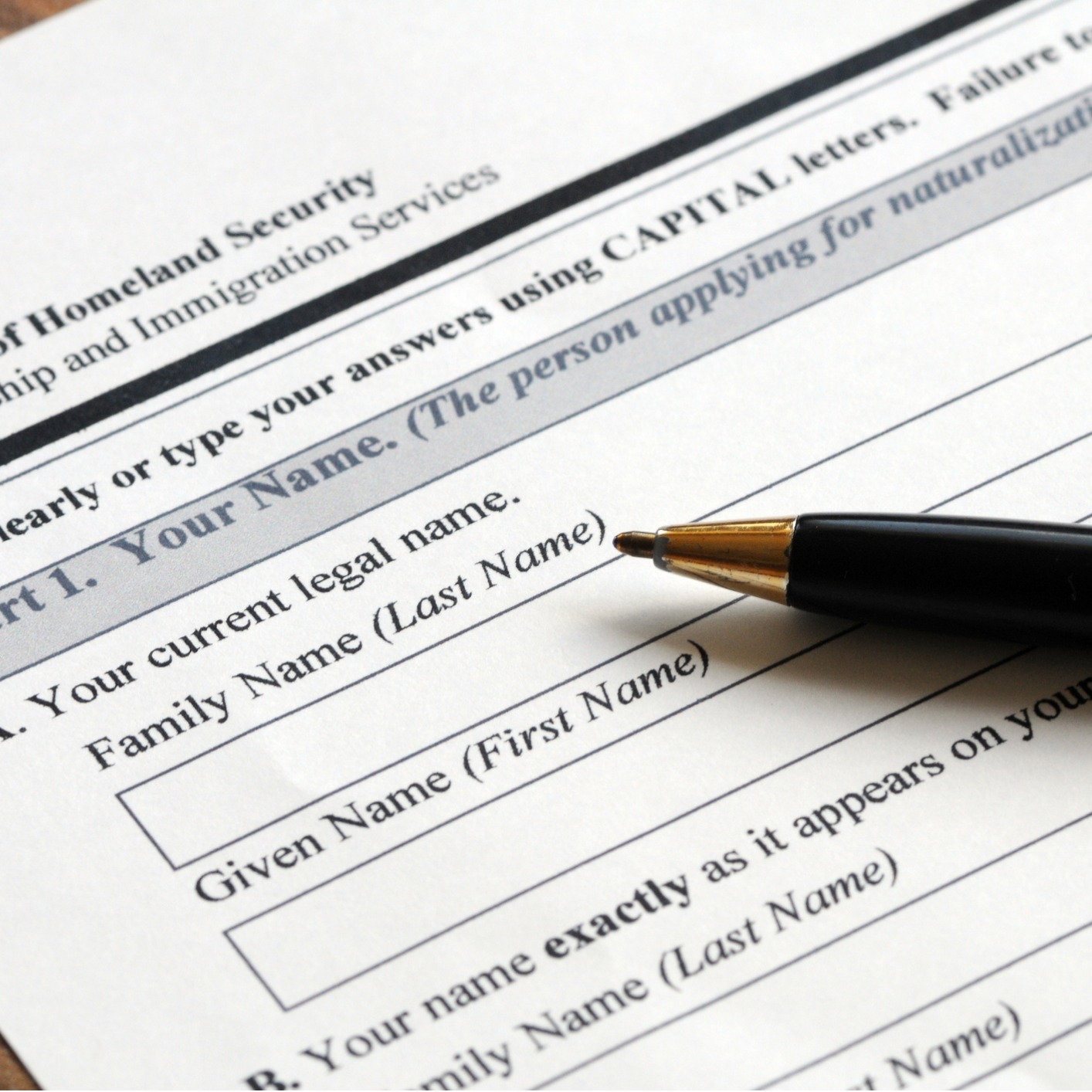
HR professionals should take this opportunity to conduct internal I-9 audits to identify and correct any errors before government inspection. Common deficiencies include incomplete or missing forms, late completion, and improper document retention. Additionally, employers should ensure that their I-9 policies are applied consistently to all employees, regardless of national origin or perceived immigration status to avoid discrimination claims. Employers may be fined from $288 to $2,861 per form for purely technical errors in the form, even if the employee has valid work authorization.
Changes to Legal Immigration Programs
The administration has also introduced policy changes affecting legal immigration pathways. U.S. Citizenship and Immigration Services (USCIS) has issued updated guidance affecting the adjudication of certain visa petitions and applications, with a general trend toward increased scrutiny of applications and a higher volume of Requests for Evidence. Employers sponsoring workers for H-1B visas should prepare more robust documentation supporting the specialty occupation nature of positions and the qualifications of beneficiaries.
What Employers Must Do to Stay Compliant
- Review Form I-9 for existing employees to know which employee’s status has been or will be revoked in the near term.
- If an employee’s status has been terminated, ask them if they have obtained alternative status. If not, the employee must be terminated. If they claim to have obtained alternative status, they must prove it by presenting valid documentation.
- Employers should be on the lookout for increased use of fraudulent identity and work authorization documents. The website for the Social Security Administration and each state’s driver’s license bureau have samples of what authentic documents should look like.
- Employers should check Chapter 13 of the I-9 Handbook for Employers to understand the variety of documents that can prove work authorization.
- Remind employees who travel for business to always carry up-to-date identification necessary to clear TSA security and, if travelling internationally, a valid passport and necessary visas. Both the United Kingdom and the European Union have announced plans to implement mandatory admission documents even for U.S. citizens who previously did not need a visa to travel to those countries.
Looking Ahead
The immigration landscape is shifting rapidly, and HR professionals must remain vigilant. Many of these policy changes are subject to ongoing litigation, and court decisions could alter implementation timelines or block certain actions entirely. Employers should establish relationships with experienced immigration counsel who can provide timely updates and guidance tailored to their specific workforce needs.
Proactive compliance efforts, regular training for HR staff on I-9 procedures and anti-discrimination requirements, and clear internal policies on responding to government inquiries will help employers navigate this challenging environment. By staying informed and prepared, HR professionals can protect both their organizations and their employees during this period of significant change.
For questions or assistance with immigration compliance matters, please contact the authors or your Foley & Lardner LLP relationship partner.