Who Pays When the Power Doesn’t Arrive? Litigation Risks in the AI Data Center Boom
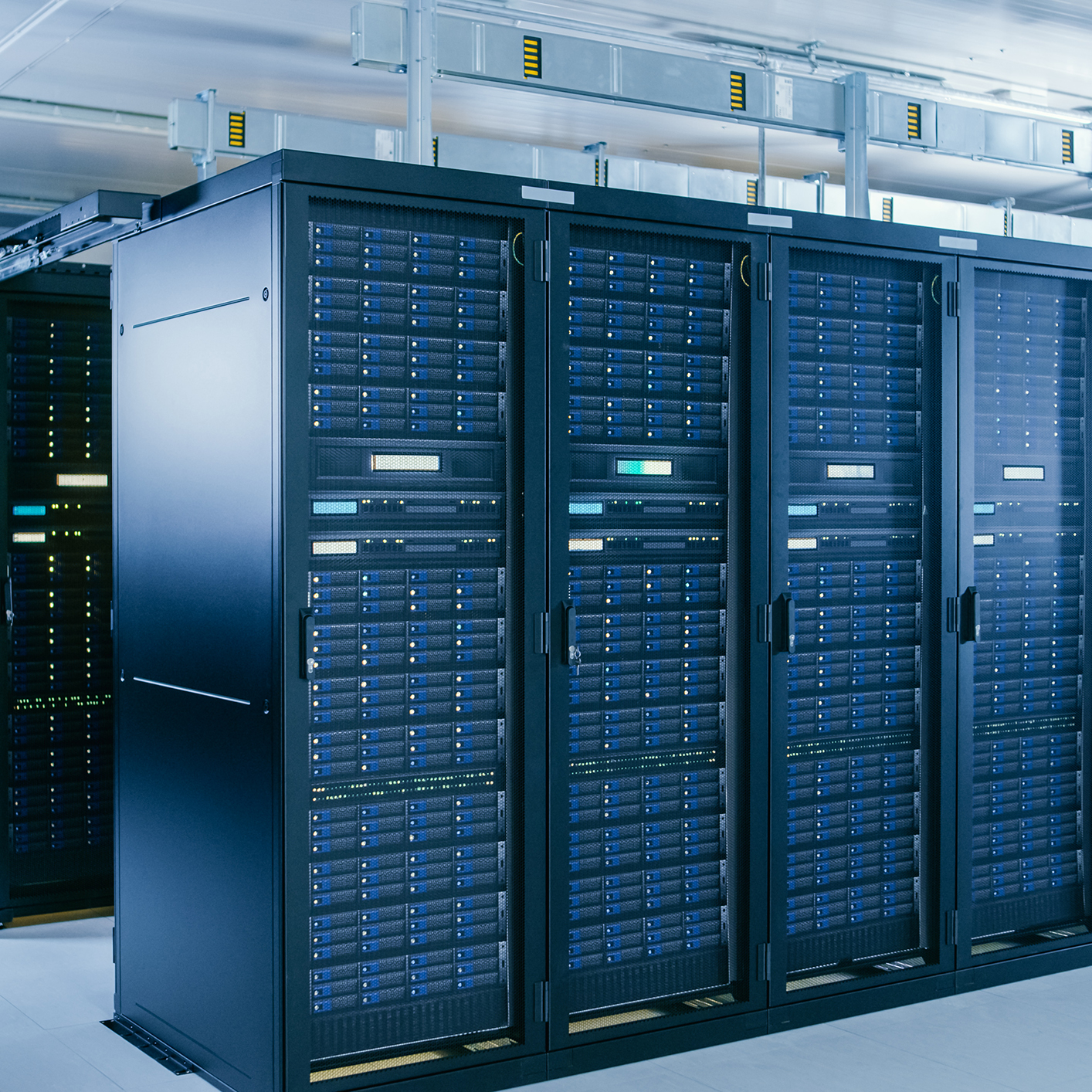
Artificial intelligence may live in the cloud, but the underlying infrastructure that makes it possible for AI to perform is decidedly physical—and increasingly power hungry.
In its simplest form, a data center is a facility filled with computer servers and related equipment used to store, process, and transmit digital information. Every internet search, cloud-based application, streaming service, and AI model ultimately depends on physical computing infrastructure somewhere. The rapid expansion of AI has accelerated the demand for larger data centers because training and operating AI models can require enormous amounts of computing capacity. Critically, all of those servers need electricity—not only to perform computations, but also to support cooling and the other systems necessary to keep the facility operating efficiently.
After years of relatively modest electricity-demand growth, the United States is entering a period of sustained increases in power consumption born out of the AI boom. The U.S. Energy Information Administration (EIA) currently projects U.S. electricity sales to increase nearly 2% in 2026 and another 2% in 2027, with data center development and increased manufacturing activity driving growth in the commercial and industrial sectors. Looking further ahead, the International Energy Agency projects that data center expansion will account for roughly half of U.S. electricity-demand growth through 2030.
Additionally, the financial stakes are difficult to overstate. McKinsey estimates that nearly $7 trillion (yes, trillion!) in capital investment will be required for data centers worldwide through 2030, including approximately $5.2 trillion to support AI-related computing demand. More than 40 percent of that investment is expected to occur in the United States. Against that backdrop, delays in securing the electricity needed to operate a data center—or disputes over who must pay for the infrastructure necessary to provide it—can place enormous amounts of capital at risk.
The expected growth creates an obvious infrastructure problem: a data center cannot simply be built anywhere and plugged into the grid. A large project may require substantial new transmission infrastructure, generation resources, substations, or other upgrades before sufficient power can be delivered to the site. FERC has described today’s large loads as substantially larger and more concentrated than traditional load growth, with development timelines that often demand faster connections to the transmission system than traditional grid upgrades can be constructed.
For lawyers—and particularly litigators—that raises a different question: What happens when the anticipated power does not arrive on time, costs substantially more than expected, or requires infrastructure that someone did not expect to pay for?
A Hypothetical That May Become Increasingly Familiar
Consider a simplified example. A developer plans a new AI data center. Before committing billions of dollars to the project, it identifies a location where it expects sufficient electricity to be available within a particular timeframe. Based on that expectation, the developer acquires or leases the property, arranges financing, begins construction, orders equipment, and potentially makes commitments to customers that expect to use the facility’s computing capacity.
However, delivering electricity to a project of that size can require much more than connecting a wire to an existing utility line. The local and regional electric systems must be capable of reliably serving the additional demand. That will likely require studies, regulatory approvals, new transmission facilities, substations, generation, or other system upgrades.
Now suppose the project moves forward, but the power needed to operate the data center is not available when expected. The developer learns that additional infrastructure is required, pushing the expected delivery of power back by several years and significantly increasing the cost of the project. Or, while the project is underway, a change in the regulatory landscape alters the requirements—or the economics—of obtaining that power. By then, the problem is no longer merely an energy-planning problem. It is a commercial one.
The developer may have substantial capital tied up in a facility that cannot operate as planned. The utility or transmission provider may already have incurred costs to prepare for the anticipated load. Contractors, lenders, investors, landlords, power suppliers, and the data center’s own customers may have made commitments based on the project’s expected completion date.
From that point, the central question quickly pivots to: Who assumed the risk that the power would not arrive as expected, am I the entity left holding the bag?
The Contracts Will Matter
Ultimately, as with every contractual risk shifting negotiation, there may be no single answer. The rights and obligations of the parties will depend on the particular regulatory framework, governing law, and, critically, the agreements they negotiated before the dispute arose.
For litigators reviewing those agreements after a project encounters trouble (or attorneys who are assisting clients in negotiating a contract), several issues are likely to matter and should be keyed in on.
What, exactly, was promised about power and timing? An agreement stating that service is expected by a particular date is different from an unconditional commitment to provide a specified amount of capacity by that date. Parties should pay close attention to conditions precedent, dependencies on third-party approvals from banks or regulatory agencies, construction milestones, and language distinguishing estimates and projections from enforceable obligations.
Who bears the cost of infrastructure? A project may require substantial transmission or other system upgrades. That means a lot of capital Agreements should address responsibility for those costs, including what happens if estimated costs increase materially or if additional upgrades become necessary.
What happens if the project is delayed—or, worst case, never opens? This risk runs in both directions, and the risks run far down stream. A data center may suffer significant losses if electricity is unavailable when expected. But a utility and its existing customers may also face substantial costs if infrastructure is constructed for a project that is delayed, downsized, or abandoned.
That latter concern is already influencing the regulatory treatment of large loads. In June 2026, FERC issued orders to all six regional grid operators under its jurisdiction requiring them to justify or reform aspects of their tariffs governing data centers and other large loads. Among other things, the orders address mechanisms intended to ensure that large loads bear an appropriate share of infrastructure costs incurred to serve them, including circumstances in which the anticipated load does not ultimately materialize. Put simply, FERC is already asking how to prevent existing customers from being left with the bill when costly grid infrastructure is built for a data center that ultimately uses less power than expected—or never gets built at all.
Who bears the risk of regulatory change? The legal framework governing large-load interconnection is actively developing and, given the largely new AI landscape that is changing daily, no one knows what the legal framework will look like several years down. Therefore, parties entering long-term agreements should strongly consider what happens if a new tariff, regulatory order, reliability requirement, or cost-allocation methodology changes the economics or timing of the project, and how those possible situations can be expressly addressed in the agreement.
And what remedies remain if something goes wrong? Limitations of liability, termination provisions, liquidated damages, force majeure clauses, notice-and-cure requirements, dispute-resolution provisions, and damages exclusions may receive relatively little attention while a project is progressing smoothly. They can become some of the most important provisions in the agreement once it is not.
Planning for the Dispute Before It Exists
For companies developing, financing, serving, or contracting with data centers, the takeaway is not that litigation is inevitable, it is that the consequences of uncertainty and the exposure to risk are becoming larger.
FERC itself is still considering broader reforms to large-load interconnection. Its pending
RM26-4 proceeding addresses important issues including whether large loads should pay the full cost of grid upgrades required for their interconnection, how curtailment or flexibility should affect interconnection, and how any new requirements should apply to projects already under review.
Against that backdrop, parties negotiating agreements for data center projects should identify their assumptions about power availability, timing, infrastructure costs, regulatory approvals, and project milestones—and decide expressly who bears the risk if those assumptions prove incorrect. They should also consider the downstream consequences of a delay: obligations to customers, lenders, contractors, landlords, and other parties may continue even when the electricity does not.
For litigators, those questions are familiar. Many commercial disputes ultimately turn not on the risk that everyone anticipated, but on the risk no one clearly allocated or anticipated.
As the AI data center boom places unprecedented demands on the electric grid, one of the most important questions may therefore be a surprisingly traditional one: When the power does not arrive as planned, who agreed to pay for it?