


Know Your Normal: Foley Best Self Highlights Cancer Awareness and Health Advocacy

Foley & Lardner endeavors to create a culture that encourages every member of the firm to be their “Best Self.” Providing an environment where people can bring their Best Self each day enhances our ability to attract and retain top talent and provide the very best client service.
As part of Foley’s Best Self wellbeing program, the firm was pleased to partner with The Breasties to present an engaging and educational firmwide panel program titled “Know Your Normal: Breast Cancer Awareness, Personal Health, Advocacy & Community.” The program focused on breast and gynecologic cancer awareness, early detection, self-advocacy, and community support.
The panel featured several of the founding members of The Breasties, who began the program by sharing their personal stories, how the community came to be, and the work it’s doing to support people impacted by breast and gynecologic cancers.
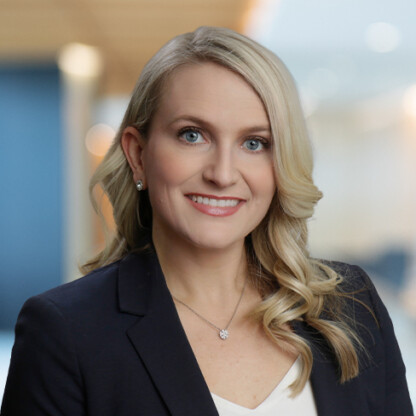
Dr. Eleonora Teplinsky, medical oncologist, Breasties board member, and author of the newly released book Beyond The Pink: Navigating Life, Health, and Breast Cancer, shared expert insights on breast health, cancer risk, and the importance of empowering people with the knowledge and tools to advocate for their health. The conversation also featured Foley senior counsel Paige Moscow, who is a member of the firm’s Best Self Steering Committee and was recently invited to join the Breasties board. She shared her personal experience navigating a cancer diagnosis while balancing her career and life at the firm.
A central message of the program was the importance of “knowing your normal” — understanding what is typical for your body so you can recognize and raise concerns about changes. Panelists walked Foley attendees through the Breasties’ medically reviewed Know Your Normal guide that breaks down the five simple steps of early detection:
- Check in with yourself monthly.
- Look for visible changes.
- Notice is anything feels different
- Pay attention to symptoms
- Understand your personal and family history
Speakers also emphasized that screening is important even when someone feels healthy, that many cancers occur without a known family history, and that self-advocacy can be critical when something feels off. “It’s important to really take charge of your own health, to make sure that you are advocating when something feels off, and to not be afraid to speak up if you are being dismissed because the face of cancer is changing to a much younger demographic,” Dr. Teplinsky said. “While we can’t prevent cancer, there are things that we can do to lower our cancer risk and to live a healthier lifestyle in general.”
Adding to Dr. Teplinsky’s advice, Moscow emphasized the importance of not putting your health on the backburner when day-to-day life gets busy. “You need to take care of your health so you can do those day-to-day things, and you can service the clients, and you can do everything you want to do,” she said.
The program closed with a discussion about supporting colleagues and loved ones impacted by cancer, including offering specific, practical help and recognizing that support may still be needed after active treatment ends. Moscow pointed to the meaningful connections she has made at Foley that “really helped push me through this time because of the support that I got.”
The discussion served as an important reminder that caring for ourselves and others starts with awareness. By paying attention, asking thoughtful questions, and offering meaningful support, we can help create a culture where health is prioritized.