




Tocopherol Class Actions: A Defense Playbook for Food and Beverage Companies
If your company has received a demand letter or complaint alleging that your “All Natural” or “No Artificial Preservatives” labeling is deceptive because your product contains tocopherols, you are not alone. A growing wave of consumer class actions is targeting food, beverage, and pet food companies on this theory — and it shows no signs of slowing down. This article provides an overview of the current litigation landscape, explains that, while these cases can be susceptible to early pleadings challenges, they often survive motions to dismiss, and identifies practical defense strategies that can meaningfully reduce exposure.
What Are Tocopherols — and Why Have Plaintiffs’ Attorneys Set Their Sights on Them?
Tocopherols are chemical compounds that comprise forms of vitamin E and occur naturally in certain oils and plants. The Food and Drug Administration (FDA) classifies tocopherols as Generally Recognized as Safe (GRAS), and they are permitted in organic food products. In food manufacturing, tocopherols serve two primary purposes: as a nutritional additive (vitamin E) or as an antioxidant that extends shelf life. Because tocopherols can be either naturally derived or synthetically produced, their classification as “natural” or “artificial” often depends on their source and intended function in a given product.
Plaintiffs’ attorneys have seized on this ambiguity. Across federal and state courts nationwide, putative class actions have challenged “No Artificial Preservatives” and “All Natural” labels on products containing tocopherols. The typical complaint alleges that a company’s front-of-package claim is false or misleading because tocopherols appear in the ingredient list — and plaintiffs argue that tocopherols are, or can be, artificial preservatives.
Unfortunately for defendants, most tocopherol-related cases have survived motions to dismiss. Several courts have found that whether tocopherols function as artificial preservatives in a specific product is a factual question that cannot be resolved at the pleading stage. See, e.g., Boone v. PepsiCo, 653 F.Supp.3d 635 (E.D. Mo. 2023) Gitson v. Trader Joe’s, 2013 WL 5513711(N.D. Cal. 2013), Garcia v. Kashi Co., 43 F.Supp.3d 1359 (S.D. Fla. 2014). However, most tocopherol lawsuits settle early on, before dispositive motions are briefed, for two key reasons:
First, the economics of class action defense are punishing. If a case survives the motion to dismiss and enters discovery, defendants face the prospect of expensive document production, depositions, expert retention, and class certification briefing. The cost of defense alone — regardless of the merits — creates significant settlement pressure. Plaintiffs’ attorneys know this, and their litigation model depends on it.
Second, the core factual disputes are not suited to early resolution. Whether a particular tocopherol is naturally derived or synthetic, whether it functions as a preservative or a nutrient in a given formulation, and whether a reasonable consumer would be deceived by the label are all fact-intensive inquiries. Courts are reluctant to resolve these questions on motions to dismiss, which further incentivizes defendants to settle before incurring the cost of fully briefing such motions.
Despite these headwinds, companies are not without options. Effective defense counsel can leverage several strategies to drive down settlement value — or, in the right case, defeat these claims outright.
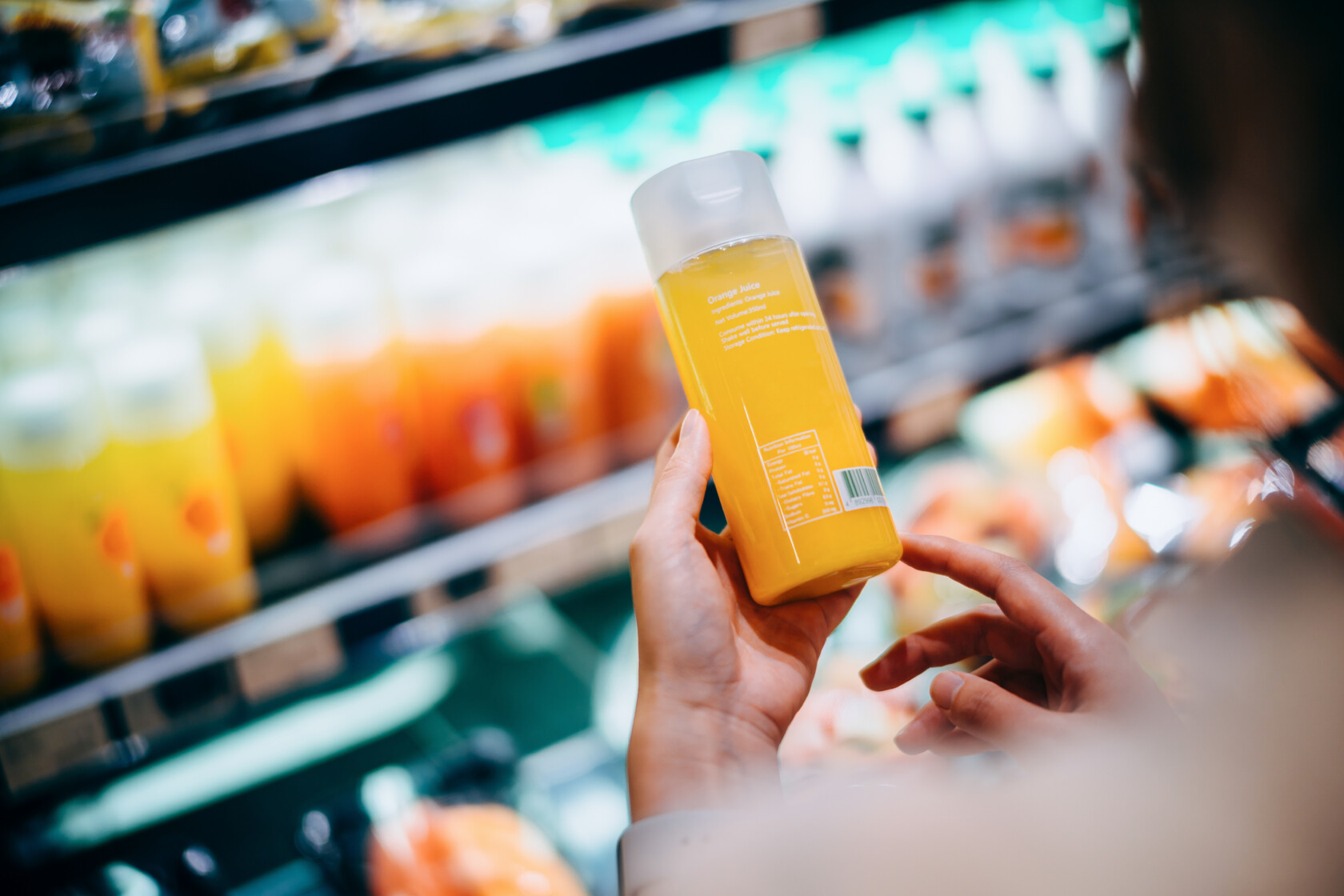
For example, in many tocopherol cases, the product at issue discloses tocopherols — and even their function — directly on the ingredient panel. Phrases like “tocopherols (to preserve freshness)” or “tocopherols (preservative)” often appear on the back label. This disclosure can be used as a powerful defense tool. If the product itself informs consumers that it contains tocopherols and describes their preservative function, it becomes significantly harder for a plaintiff to show that a reasonable consumer was deceived by the front-of-package “No Artificial Preservatives” claim.
Ninth Circuit Precedent Supporting Full-Label Analysis
Recent Ninth Circuit precedent has bolstered this defense. In McGinnity v. Procter & Gamble Co., 69 F.4th 1093 (2023) and Bryan v. Del Monte, 2024 WL 4866952, the Court held that it is appropriate to consider back-label disclosures when evaluating whether a front-of-package claim is allegedly misleading — particularly where the front label is potentially ambiguous. This is critical in tocopherol cases because the front-of-package “No Artificial Preservatives” claim is, at most, ambiguous when the product contains tocopherols of uncertain source. When the back label then expressly identifies tocopherols and their function, the full label context may defeat any inference of consumer deception.
Notably, In re KIND LLC “Healthy & All Natural” Litigation, 627 F.Supp.3d 269 (S.D.N.Y. 2022) remains the only tocopherol-related case the authors have identified that reached summary judgment — and the defendant won. The court found that plaintiffs failed to provide evidence of what a reasonable consumer would understand from the labeling or proof that the products contained “artificial or synthetic” ingredients under any reasonable consumer definition. While most tocopherol cases settle before summary judgment, KIND demonstrates that these claims are defensible on the merits when the defendant builds the right evidentiary record and is willing to fight.
Proactive Risk Mitigation: What Companies Should Do Now
Given the recent surge in tocopherol litigation, companies should take proactive steps to mitigate their exposure. Organizations that use tocopherols or similar preservative ingredients should carefully evaluate labeling statements regarding “naturalness” or the absence of “artificial preservatives” and assess whether a plaintiff could plausibly argue that such statements are deceptive. Even when tocopherols are derived from natural sources like soybeans or sunflower oil, proving that fact at the motion to dismiss stage — where the court must accept the complaint’s allegations as true — is often difficult. Companies should therefore consider front-of-label disclaimers and conduct a cost-benefit analysis of “No Artificial Preservatives” claims in light of the evolving legal landscape.
Foley’s Class Action Litigation team has substantial experience defending companies in tocopherol and food labeling class actions. If your company has received a demand letter or complaint — or if you want to evaluate your labeling risk before litigation arrives — we encourage you to contact the authors.