




Business Planning Regarding the Coming Congressional Investigations in 2027
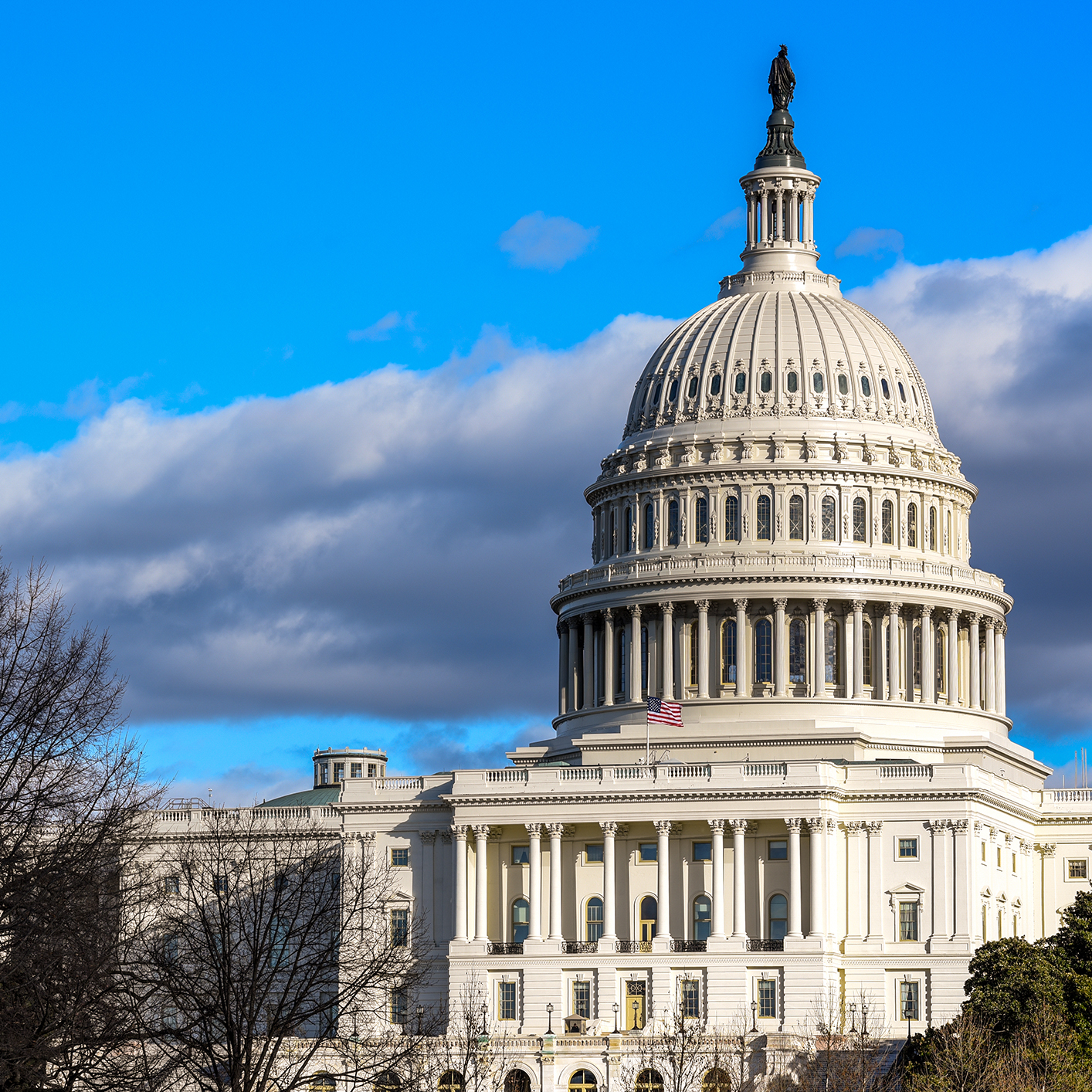
In January 2027, Congress will switch from Republican-led chambers to Democratic-led chambers. Accordingly, Democratic members will lead the committees in both the House and the Senate. A change in committee leadership typically brings a change in investigative priorities, and committee chairs largely set hearing agendas and direct the provision of testimony and the collection of documents via congressional subpoenas. Congressional oversight is a long-standing feature of the legislative process, and committees under both parties have routinely called on companies across industries to produce documents, answer questions informally, and testify formally before the committees. Below, we outline the topic areas we expect to draw committee interest and what they may mean for businesses involved in such areas of interest.
Early Signals: Statements and Staffing
Incoming committee leaders have indicated that oversight activity will begin early in the new Congress. On election night, Rep. Robert Garcia (D-Calif.), the expected chair of the House Committee on Oversight and Government Reform, issued a two-word statement: “Lawyer up.”
Staffing decisions offer a more concrete view of committee focus. Within a day of the election, House Judiciary Committee staff for Rep. Jamie Raskin (D-Md.), the committee’s expected chair, posted openings for oversight and investigative counsel. Sen. Maggie Hassan (D-N.H.), the expected chair of the Senate Homeland Security and Governmental Affairs Committee, posted openings for investigators, oversight counsel, an anti-corruption counsel, and a policy advisor for AI security and safety. Where a committee invests in staff often signals where it plans to focus its investigations.
Anticipated Areas of Inquiry
Public statements and staffing decisions point to several key areas of focus, each carrying distinct implications for the companies involved:
- Pay-to-Play, Corruption, and Government Integrity: Hakeem Jeffries (D-N.Y.), expected to become Speaker of the House, has said that corruption allegations will be a major focus of committee investigations. Inquiries in this area typically examine how contracts, grants, licenses, and regulatory approvals or relief from prosecution were decided and may seek companies’ communications with government officials, lobbying records, and any payments to officials or intermediaries. Companies and executives perceived to have sought and obtained relief from a government agency via payments to a current or former government official should prepare for such inquiries.
- Artificial Intelligence and Emerging Technology:Rep. Zoe Lofgren (D-Calif.), who is seeking to chair the House Committee on Science, Space, and Technology, has said her focus will be on “responsible regulations for AI.” Committees are expected to pursue hearings, document requests, and executive testimony on AI safety incidents, model testing, developer liability, data practices, and data centers. Some committee leaders have already asked leading AI companies to report safety incidents to Congress.
- National Security and Defense: Rep. Adam Smith (D-Wash.), the expected chair of the House Armed Services Committee, has called for increased public testimony from senior defense officials and the re-establishment of an Oversight and Investigations Subcommittee, with defense spending, military operations, and contract awards among the likely topics. Defense contractors and federal vendors should anticipate questions about pricing, performance, and how awards were made.
- Foreign Policy and Trade: Committees are expected to review U.S. policy in ongoing international conflicts as well as foreign influence in U.S. policymaking. Rep. Raskin (D-Md) has also identified tariff policy among the subjects the House Judiciary Committee plans to examine. Importers and companies with global supply chains, foreign ownership, or foreign investment may be asked about sourcing, pricing, and country-of-origin practices.
Who May Draw Attention, Including Commercial Businesses
No company should assume that it falls outside the reach of congressional oversight simply because it is not among the most obvious targets identified above. Commercial businesses may also be drawn in through several channels:
- AI adoption and energy use. Committee interest in data centers and AI-related issues may reach utilities, large energy users, AI providers, and companies that deploy AI tools in products or customer interactions, not just AI developers.
- Consumer prices and affordability. Health care costs, consumer prices, and tariffs are among the incoming majority’s priorities. Inquiries in these areas often seek information from retailers, manufacturers, health care companies, and other consumer-facing businesses about pricing and costs.
- Supply chains and imports. Review of tariff policy is likely to involve importers, manufacturers, and distributors whose sourcing, pricing, and country-of-origin practices bear on the policy questions under examination.
- Third-party requests. Committees frequently seek records from private companies whose data, services, or communications bear on an inquiry, even when the company is not its focus. That practice is expected to continue in the coming Congress. Financial institutions, technology platforms, professional service firms, and vendors are common recipients.
Preparing for a Congressional Inquiry
With new leadership taking the gavel in January 2027, congressional oversight will be an active feature of the 120th Congress. Companies that anticipate the likely areas of focus and prepare proactively will be better positioned to respond if an inquiry arises. These preparations may include “lawyering up,” conducting an internal investigation tailored to potential congressional scrutiny, gathering key records, preserving the recollections of relevant personnel, preparing for parallel proceedings, or simply developing a deeper understanding of key issues.
Foley’s Congressional Investigations team — comprised of members from our Government Enforcement, Defense and Investigations (GEDI), Government Solutions, and Public Policy teams — brings the judgment of former congressional staff, federal prosecutors, defense lawyers, and government officials to every stage of an inquiry, treating each as both a legal and a strategic matter, including helping identify the practices most likely to attract oversight before a request or subpoena arrives. Because congressional material often resurfaces in criminal investigations, litigation, regulatory action, and the press, our team also coordinates with the Department of Justice, the Securities and Exchange Commission, the Office of Foreign Assets Control, inspectors general, and state attorneys general so that cooperation in one forum does not undermine a company’s position in another and manages referrals and follow-on enforcement after the hearings end. The team’s experience spans the subjects drawing scrutiny today, including AI; national security, sanctions, and export controls; Committee on Foreign Investment in the United States; the Foreign Corrupt Practices Act; the False Claims Act; cybersecurity and data privacy; government contracting; securities; and customs and tariffs.
Foley is here to help you address the short- and long-term impacts in the wake of change. We have the resources to help you navigate these and other important legal considerations related to business operations and industry-specific issues. Please reach out to the authors, your Foley relationship partner, our Government Enforcement Defense and Investigations Practice, or our Public Policy and Government Relations Services Practice with any questions.