



New Executive Order and PERM Suspensions Tie H-1B and Green Card Sponsorship to Layoff History: What Employers Should Know
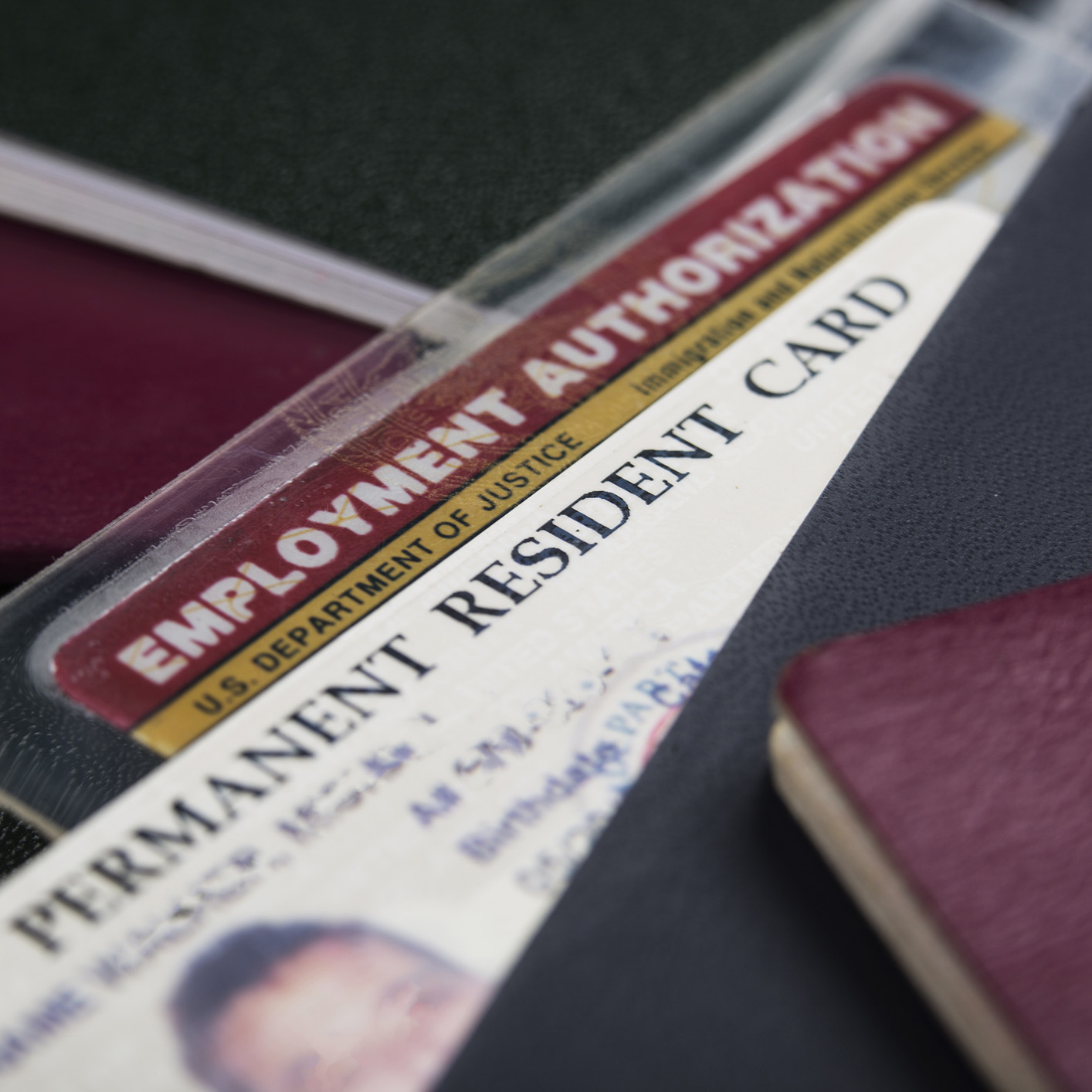
On September 18, 2026, President Trump signed Executive Order 14431, “Enhancing Program Integrity and Interagency Coordination in the Administration of the H-1B Nonimmigrant Visa Program,” which was published in the Federal Register on September 23, 2026, at 91 FR 60501 (available here). The order directs the U.S. Department of State (DOS), the U.S. Department of Labor (DOL), and the U.S. Department of Homeland Security (DHS) to consider whether an employer has recently laid off, or plans to lay off, U.S. workers when it seeks to sponsor H-1B workers.
Then, on October 8, 2026, Vice President Vance, Labor Secretary Keith Sonderling, and Attorney General Todd Blanche announced at a White House press conference that DOL would stop accepting and processing green card labor certifications for eight major employers.
Taken together, these two actions change how employers need to think about immigration sponsorship and workforce reductions.
What the Executive Order Requires
Stated Purpose
Section 1 of the Presidential Order states that the H-1B program has been abused by certain employers, third-party placement groups, and outsourcing firms to undercut and displace U.S. workers. It cites a wage gap of $9,000 to $20,000. It also notes that technology employers laid off between 800,000 and 1.3 million U.S. employees from 2022 through 2026 while continuing to request H-1B visas.
Layoff History Now Part of the Review
Section 3(a) is the core of the Presidential Order. In every labor condition application, petition, visa application, and admission, the three agencies must consider whether the employer “directly or indirectly engaged in layoffs within the previous year or plans future layoffs” that negatively affect similarly situated U.S. workers.”
A quick bit of background. A labor condition application (LCA) is the form an employer files with the DOL before filing an H-1B petition, attesting that it will pay the DOL-determined prevailing wage for the employment position and that the hire of a foreign national will not adversely affect U.S. workers. Current law does not bar employers with recent layoffs from hiring H-1B workers, and the order does not change that. What changes is how the agencies weigh that history. Reviewers may look at WARN Act notices (the advance notices required for many mass layoffs and plant closings) and at public reporting.
Review of Past Filings
Under Section 3(b), DOL Wage and Hour Division must begin reviewing previously filed LCAs within 30 days to decide whether enforcement is warranted under INA section 212(n)(2)(G). In other words, LCA filings predating the Presidential Order are not immune from scrutiny.
Delegated Authority
Section 3(c) of the Presidential Order delegates the authority of the President under INA section 215(a) to the Secretaries of State, Commerce, Labor, and Homeland Security, including the power to issue rules and guidance. Employers should expect more implementing guidance, likely in several waves.
Related Proclamation
On the same day, the President also renewed the $100,000 H-1B entry payment proclamation through September 2027. That proclamation remains blocked in court while the appeal of the government is pending.
Which Agencies Are Affected
Section 2 of the Presidential order requires DOS, DOL, and DHS to coordinate with three other agencies to ensure compliance with INA sections 101(a)(15)(H)(i)(b), 212(n), 214(i), and 274B. Those provisions cover the H-1B category itself, the LCA wage and worker-protection rules, H-1B petition requirements, and anti-discrimination protections. The agencies involved include:
- DOS, which issues H-1B visas at consulates abroad
- DOL, which certifies LCAs and green card labor certifications and enforces H-1B wage rules
- DHS, including U.S. Citizenship and Immigration Services (USCIS), which adjudicates petitions, and U.S. Customs and Border Protection (CBP), which handles admission at the border
- The Department of Commerce, the Department of Education, and the Small Business Administration, which are to supply DOS, DOL and DHS with wage, employment, and economic data
DOL Suspension of PERM Processing
The October 8 Announcement
PERM is the DOL labor certification process. It is the first step in most employment-based green cards: the employer tests the U.S. labor market through recruitment and certifies that no qualified, willing U.S. worker is available for the job. At the October 8 press conference, Secretary Sonderling said DOL “will not accept any new or process any pending permanent labor certification applications” involving eight employers, citing that two were subject to multiple active federal investigations and that the other six had high volume of labor certifications. These PERM suspensions follow a DOL imposed 180-day PERM suspension on another company in May 2026.
No Written Notice
DOL has published no Federal Register notice or website announcement about these suspensions. It has not identified a regulatory or legal authority enabling such PERM suspensions.
How a Legal Suspension Works
The PERM suspension regulation (20 CFR 656.31(b) and (c)) allows DOL to suspend processing when it learns of possible fraud or willful misrepresentation, or that an employer, attorney, or agent is under investigation by the Department of Justice (DOJ), DHS, or another agency. Key features:
- An initial suspension can last up to 180 days. DOL may then resume processing some or all applications or extend the suspension until the investigation or court proceedings end.
- If no fraud is found, DOL must decide each application on its merits.
- If fraud is found, DOL may deny applications and may debar the employer, attorney, or agent for up to three years.
- A suspension is not a finding of fraud.
The Vice President said the suspensions would last “as long as it needs to,” potentially making the initial 180-day review-driven suspension period an opening salvo.
What It Means for H-1B Workers
H-1B status is generally limited to six years. Workers can typically extend beyond that limit only once a PERM application or employer immigrant petition (Form I-140) has been filed for them, so PERM is often the bridge that keeps a long-term H-1B employee in the United States. Losing PERM access blocks that path. Current H-1B status and work authorization are not affected, but long-term retention is at risk.
Some protections remain. An I-140 that is already approved keeps its priority date (the place of the worker in the green card line). On the other hand, PERM recruitment generally must lead to a filing within 180 days, so a long freeze can force employers to redo recruitment and pay for it twice.
How the Two Developments Connect
The Executive Order sets the policy: layoff history now affects sponsorship. The PERM suspensions show that policy being enforced, and quickly. For employers, this means:
- Immigration sponsorship decisions and workforce reduction decisions can no longer be made separately.
- The risk reaches green card sponsorship, not only H-1B filings.
- Scrutiny now extends to well-known U.S. employers, not only outsourcing firms of professional workers.
Outstanding Questions
Plenty remains unclear. Areas where employers need more guidance include:
- How each agency will weigh layoff history in practice, and what counts as “similarly situated” U.S. workers
- Whether layoffs tied to restructuring or offshoring will be treated differently
- Whether DOL will publish a written basis, scope, or end date for the suspensions
- Whether more employers will be named
- How the 180-day review point will be handled
- What implementing guidance and requests for evidence (RFEs, the agency requests for more documentation before deciding a case) will look like
What Employers Should Do Now
Review RIFs and Sponsorship Together
Before any reduction in force (RIF), identify pending and planned H-1B and PERM filings in the affected occupations and locations. Document the business reasons that distinguish eliminated roles from sponsored roles. Think about timing, too, and how the record will look to the government.
Audit Wage Compliance
Confirm H-1B workers are paid at or above both the required prevailing wage and the actual wage paid to similar employees. Check for unpaid “benching” between assignments and for payroll deductions that push pay below the attested rate. Correct discrepancies promptly.
Audit PERM Recruitment
Look at recruitment from the perspective of the government, not just against the regulatory checklist. Recruitment that meets the technical rules but is unlikely to attract qualified U.S. workers is drawing criticism.
Review Staffing and Vendor Relationships
Examine billing, wage pass-through arrangements, and recruitment practices with third-party staffing firms and vendors. Add audit, cooperation, and indemnification rights to vendor contracts.
Prepare a Response Plan
A subpoena, investigation, site visit, or suspension notice can arrive with little or no warning. A plan should cover:
- who receives government correspondence and who leads the response
- a call tree to counsel
- scripts for frontline staff
- document preservation and legal hold steps
- how affected employees will be identified and told
- how the 180-day review point will be tracked
Treat Internal Complaints Seriously
Whistleblower incentives now cover immigration violations. An internal complaint about wages or recruitment could become a disclosure to the government, so handle it as a possible trigger.
Talk With Sponsored Employees
Have candid conversations about green card timelines. Where appropriate, consider alternatives such as green card categories that do not require PERM.
Anticipated Developments
More Guidance, and Possibly More Names
With authority delegated across four agencies, more guidance is coming. Additional employers may also be named.
Potential Legal Challenges
Because the suspensions were announced at a press conference without written notice or an identified regulatory basis, legal challenges are possible. How courts would view them remains to be seen.
Strategic Recommendations
Employers should watch official agency sources (the Federal Register, DOL, USCIS, and DOS) for guidance rather than relying on press reports. It also makes sense to build contingency plans now, for both workforce reductions and sponsorship pipelines, before the next announcement.
Treat layoffs and sponsorship as the government is treating them — namely as one conversation.